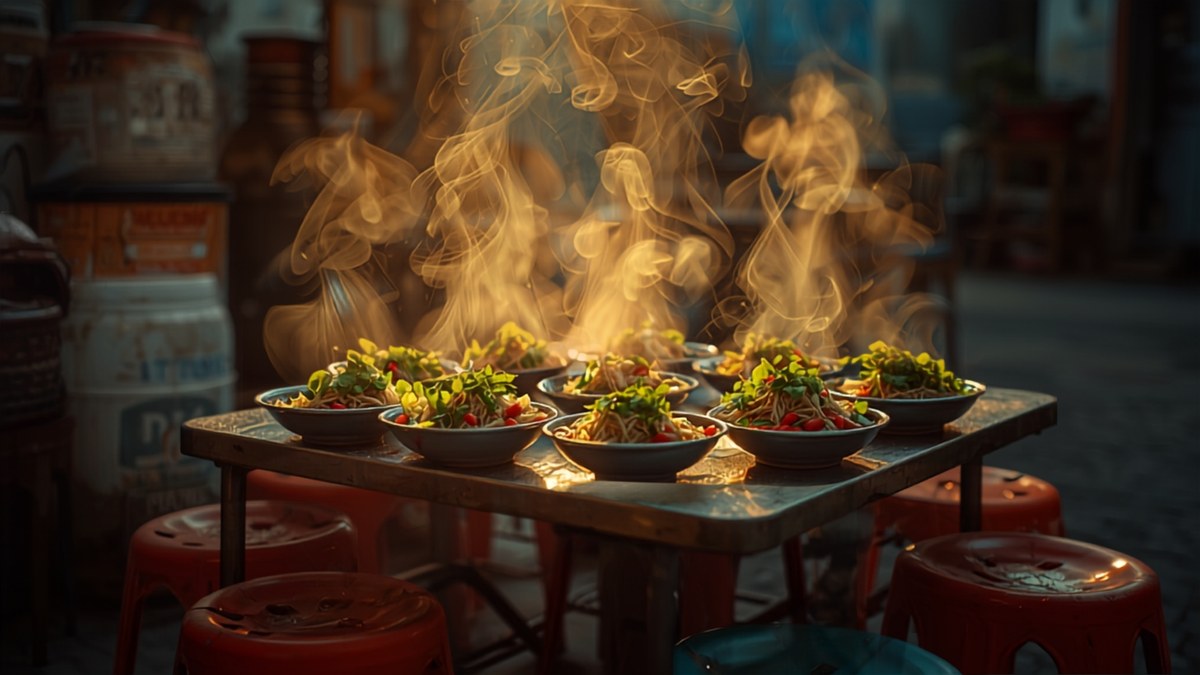
Is Vietnamese food halal? The honest answer is "adaptable in a few dishes, but pork and pork stock run deeper here than in Thailand, so the safe path is the Muslim-run cluster plus a clear question." Hanoi is genuinely harder than Bangkok for a halal traveler, and the reason is structural: Vietnam's mainstream cooking is built on pork, pork bones, fish sauce, and shrimp paste, and the city has a much smaller Muslim infrastructure than Thailand. The encouraging part is that Hanoi has a real, concentrated halal cluster, one historic mosque with a tight ring of Malaysian, Indian, and Pakistani kitchens around it, and a genuine "halal pho" that exists. This guide is the map: what is safe to eat freely, what to ask about, what to skip, and where eating halal in Hanoi actually gets easy.
A note on how we do this: we give you generic, dish-level guidance, not rulings, and we never label a specific restaurant "halal" from a distance. The reliable path is always a Muslim-run kitchen, plus a quick question of your own.
How halal-friendly is Hanoi, really?
Doable but effortful, and noticeably thinner than Bangkok. Vietnam's Muslim population is small, roughly 80,000 to 100,000 out of around 98 million, and it is concentrated in the Cham minority in the south (places like An Giang, Ho Chi Minh City, and Ninh Thuan), not the north. Hanoi itself has only one mosque. So halal food here clusters tightly around that mosque and the expat and South Asian scene, rather than being woven through the street-food culture the way it is in Bangkok. You lean on three things: the Muslim cluster, your own questions, and a bit of planning.
The three-bucket triage
| Eat freely | Ask first | Usually skip (unless halal-run) |
|---|---|---|
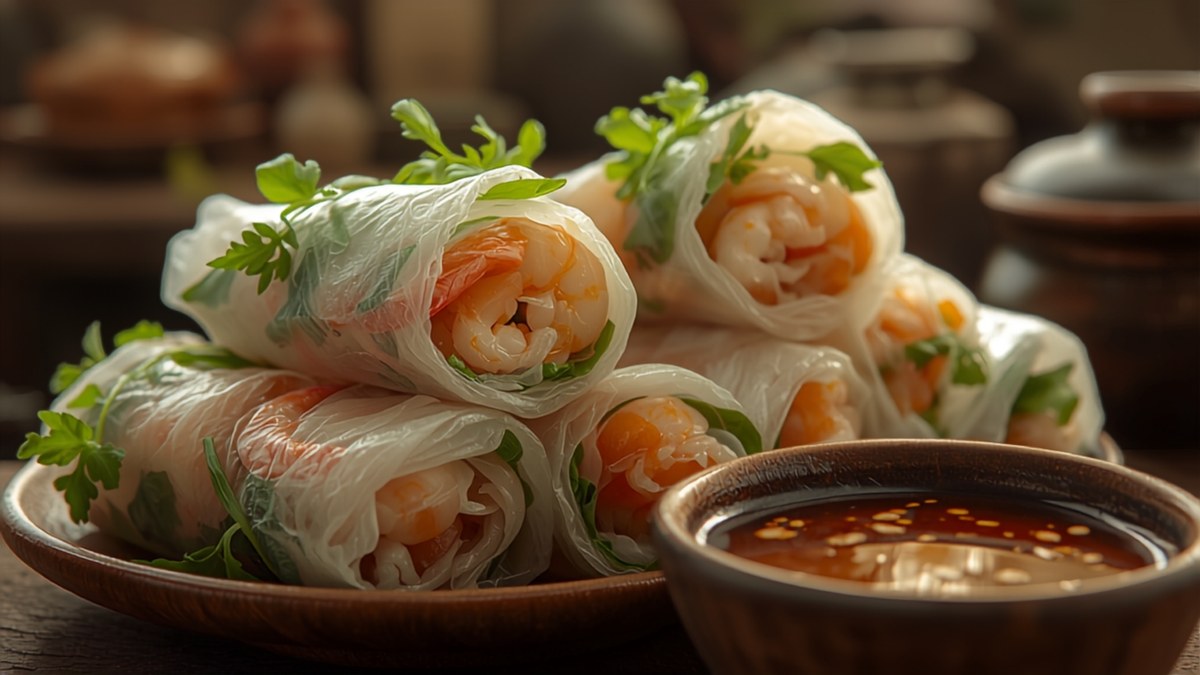
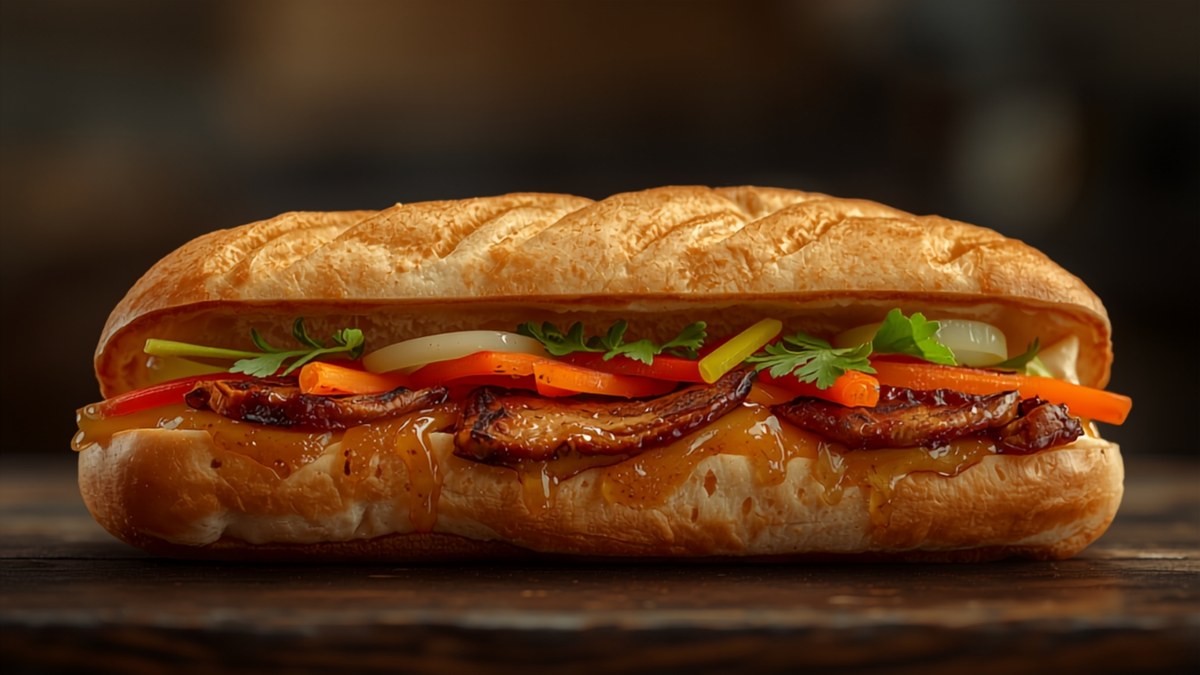
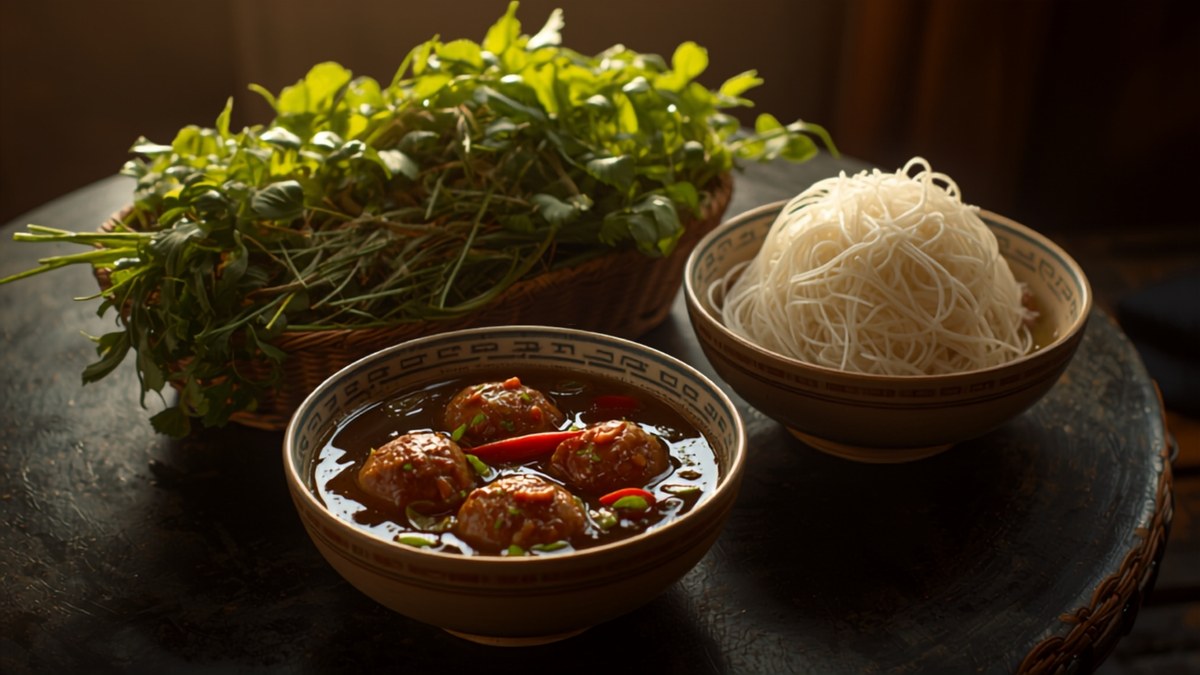
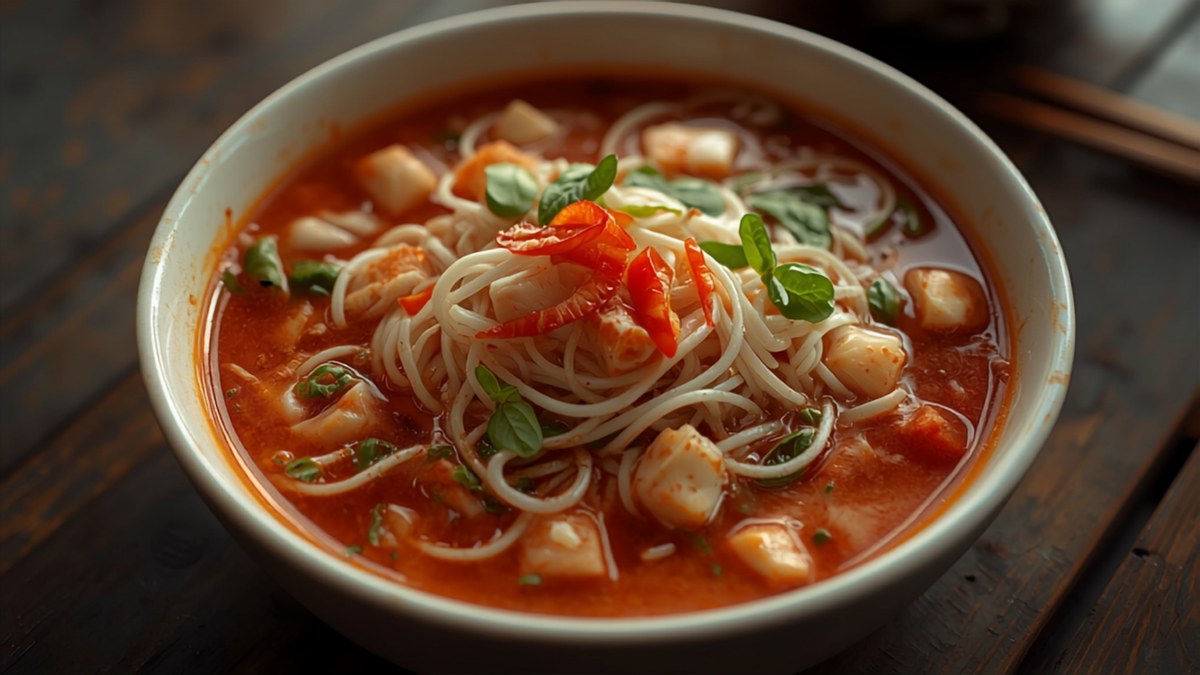
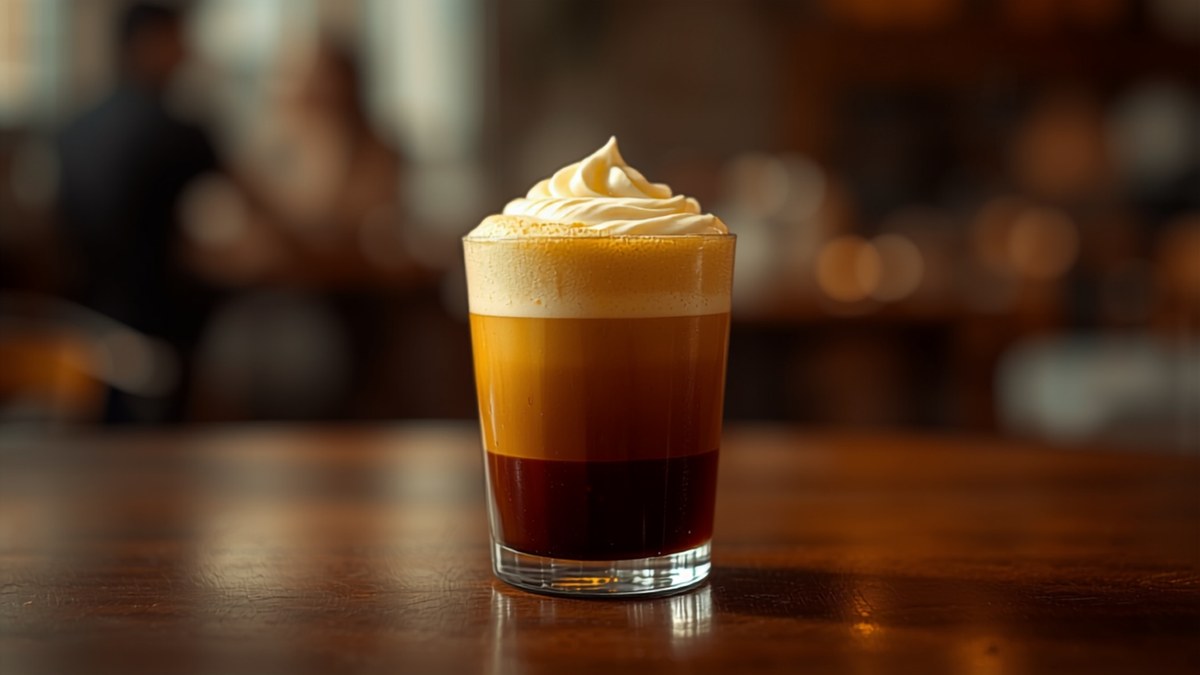
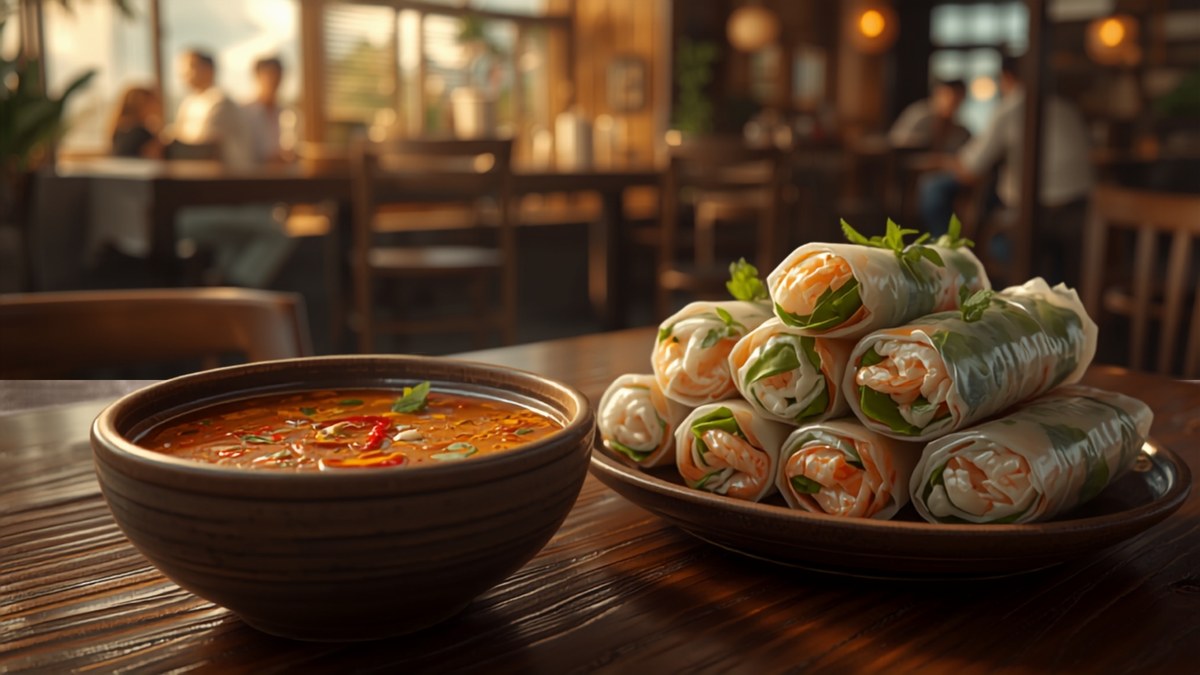
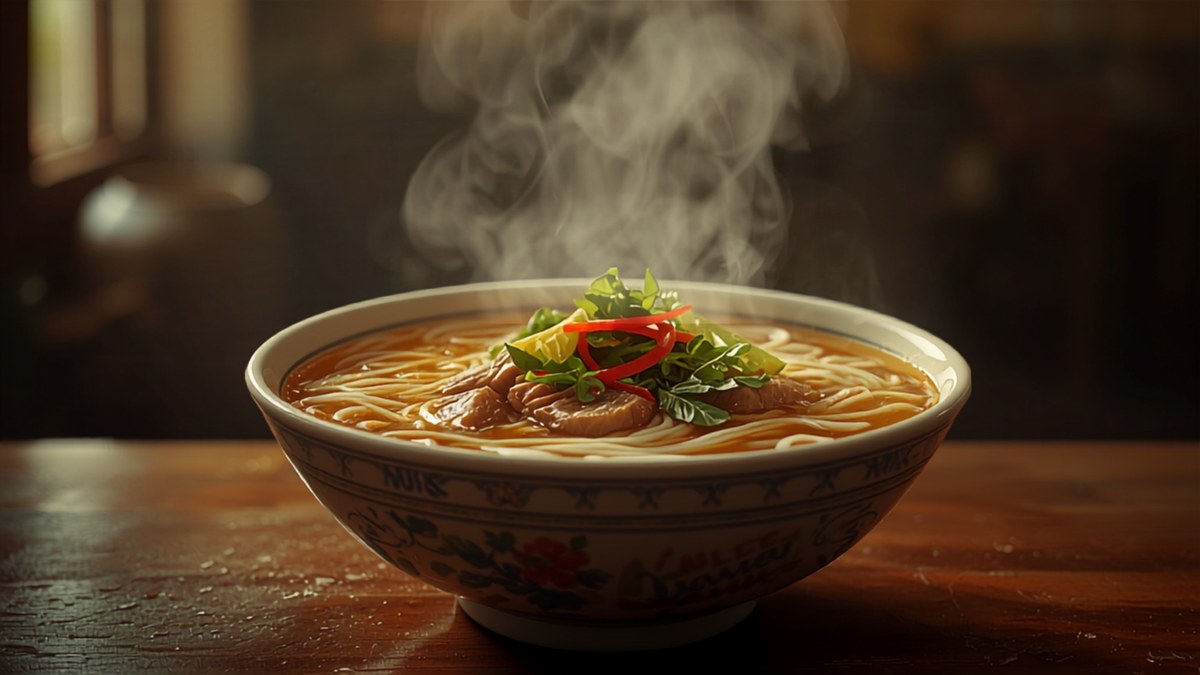
| Egg coffee (naturally vegetarian, no pork, no fish sauce, no alcohol) | Pho (broth may use pork bones or pork powder), banh mi (pâté and cold cuts), Vietnamese spring rolls (pork filling), bun rieu (pork, shrimp paste, and a blood topping) | Bun cha (pork is the dish), tiet canh (raw blood, also unsafe) |
The "ask first" bucket is the heart of it: these dishes are not always pork dishes on the plate, but their broths, spreads, and fillings commonly carry pork or fish sauce that you cannot see. Each linked guide tells you the exact trigger and how to order around it.
One dish sits firmly in the skip column for everyone: tiet canh, a raw blood pudding. We tell every traveler to skip this one, halal or not. It is raw animal blood, which is not halal whatever the animal, and raw pig's blood especially is a documented food-safety risk. It is a hard skip on both grounds.
The three questions that cover almost everything
- No pork? , the headline question, and remember pork can hide in the broth or the spread, not just the meat on the plate.
- No fish sauce? , fish sauce (nuoc mam) is in almost everything here, blended into broths, dips, and marinades.
- Is the kitchen Muslim-run? , because ordering around an ingredient is a partial fix, not a guarantee. In Hanoi, a Muslim-run kitchen is your most reliable signal, since formal certification is still rare on the ground.
Where to look: Hanoi's halal cluster
The whole halal scene is compact and clusters in two zones.
- Around the mosque, Old Quarter / Hàng Lược. Al-Noor Mosque (the Hanoi Islamic Mosque) at 12 Hàng Lược Street is the only mosque in Hanoi, built in 1890 during the French colonial period, and it anchors the halal cluster. Reported halal kitchens in this cluster include a small Malaysian-food eatery beside the mosque, Indian restaurants serving to halal standards, a Singaporean and Malaysian spot run by a Malaysian chef, and a long-standing Malaysian restaurant. A halal pho is reported here, served fresh in the morning until it sells out.
- The expat ring, West Lake (Tây Hồ). Pakistani and South Asian halal kitchens are reported around the West Lake expat area, a second concentration beyond the Old Quarter.
To find it on the ground, look for Arabic script or a "Halal" sign, and cross-check on HalalTrip, Zabihah, or Google Maps filtered to "halal" plus "Hanoi." We describe the cluster and the system here, not a verified verdict on any single venue, so always confirm directly with the kitchen before you order.
If you would rather have a local steer you to the Muslim-run kitchens, a guided Hanoi food tour is the easy first move, browse Hanoi food tours on GetYourGuide. And for the rest of the trip, Hanoi activities and the big day trips like Halong Bay are on Klook.
What Vietnam's halal certification looks like (and why you rely on it less)
Unlike Thailand, Vietnam does not yet have a street-level halal mark you can trust on a stall. Vietnam only set up a national halal authority, the Vietnam Halal Certification Authority (HALCERT), in April 2024, under the Vietnam Certification Centre (QUACERT), and the peak religious body is the Vietnam Islamic Association, headquartered in Hanoi. Because HALCERT is new and national rather than a familiar green-diamond mark on storefronts, certification is still rare on the ground. In practice you rely on Muslim-run kitchens, the cluster around the mosque plus Malaysian, Indian, and Pakistani restaurants, and your own questions, more than on a sticker. That is a real difference from Bangkok, and worth knowing before you go.
A quick word on fish sauce, shrimp paste, and alcohol
Fish sauce is in almost everything here, and scholars do not all treat it the same way. Most consider fish sauce permissible, since fish is halal and the trace fermentation alcohol is not intoxicating, and bodies like Malaysia's JAKIM and Indonesia's MUI certify traditional fish sauce. Some Muslims still prefer to avoid it, so where it matters each dish guide shows you how to order around it. Shrimp paste (mam tom), the pungent violet condiment behind dishes like bun dau mam tom and cha ca, is shellfish, so it is an automatic flag for a shellfish allergy regardless of religion, and the schools of thought view shellfish differently, so we lay out the positions rather than hand you a verdict. On alcohol, the good news for Hanoi is that the iconic dishes (pho, bun cha, banh mi, spring rolls) are not built on wine or spirits the way a French or Italian dish might be; Vietnam has a strong rice-wine (rượu) drinking culture, but it is a drinking tradition, not a cooking base for these dishes, so alcohol-in-cooking is a minor flag here.
FAQ
Is Vietnamese food halal? Some of it is adaptable rather than automatically halal. Pork, pork bones, fish sauce, and shrimp paste run through mainstream Vietnamese cooking, and pork stock in particular sits deeper here than in Thailand. A few dishes can be made without pork, and Hanoi has a real halal cluster, but treat most dishes as "ask first" unless you are at a Muslim-run kitchen.
Is it hard to eat halal in Hanoi? Harder than Bangkok, but doable with planning. The scene is compact: head for the cluster around Al-Noor Mosque on Hàng Lược in the Old Quarter, or the South Asian kitchens around West Lake, and ask about pork and fish sauce. Cross-check spots on HalalTrip, Zabihah, or Google Maps.
Does Vietnam have a halal certification mark? It is very new. Vietnam established a national halal authority, HALCERT, only in April 2024, so certification is still rare on storefronts. You rely more on Muslim-run kitchens and your own questions than on a sticker, unlike Thailand's well-established CICOT mark.
What Vietnamese dishes are safe by default? Egg coffee (ca phe trung) is the standout, naturally vegetarian with no pork, no fish sauce, and no alcohol, and it is a Hanoi original. Most savory dishes depend on the broth, the spread, or the kitchen, so ask first.
Which Hanoi dish should I be most careful with? Bun cha. It is the dish Hanoi is famous for, and the pork is not hidden, it is the whole dish (grilled fatty pork and pork meatballs). There is no "hold the pork" version that is still bun cha, so treat standard street bun cha as off the list unless a halal kitchen grills beef or chicken in the same style.
Is fish sauce halal? Most scholars consider it permissible, since fish is halal and the trace fermentation alcohol is not intoxicating, and authorities like JAKIM and MUI certify traditional fish sauce. Some Muslims still prefer to avoid it, which is why we show you how to order dishes without it.