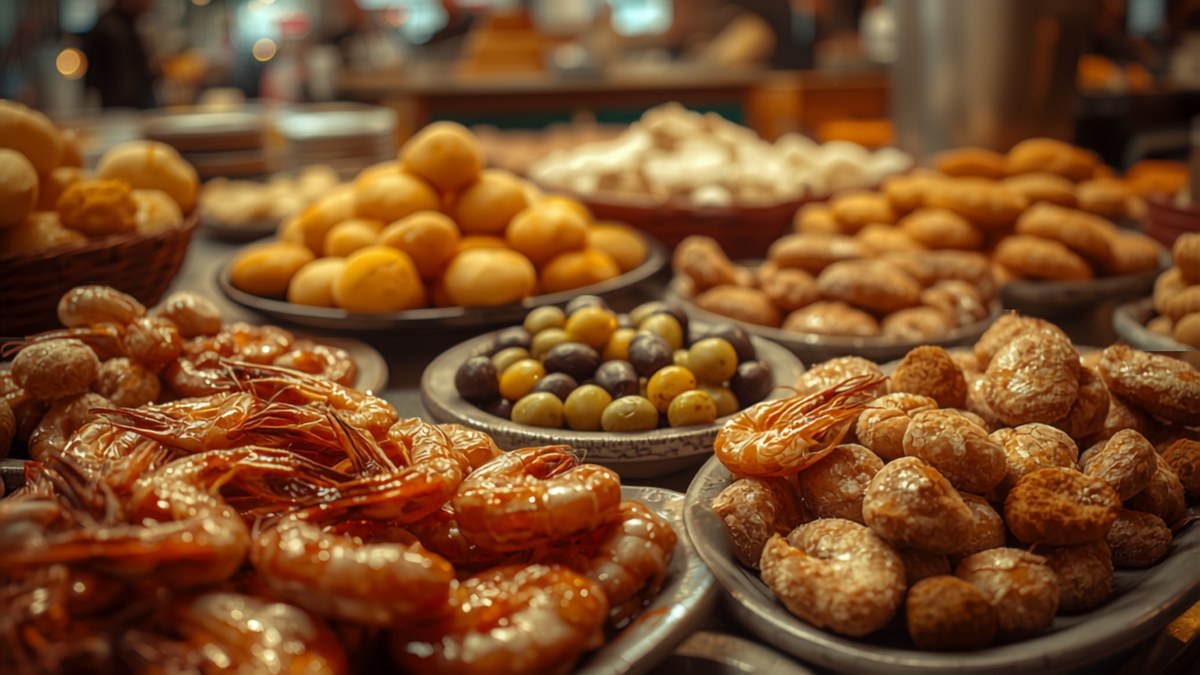
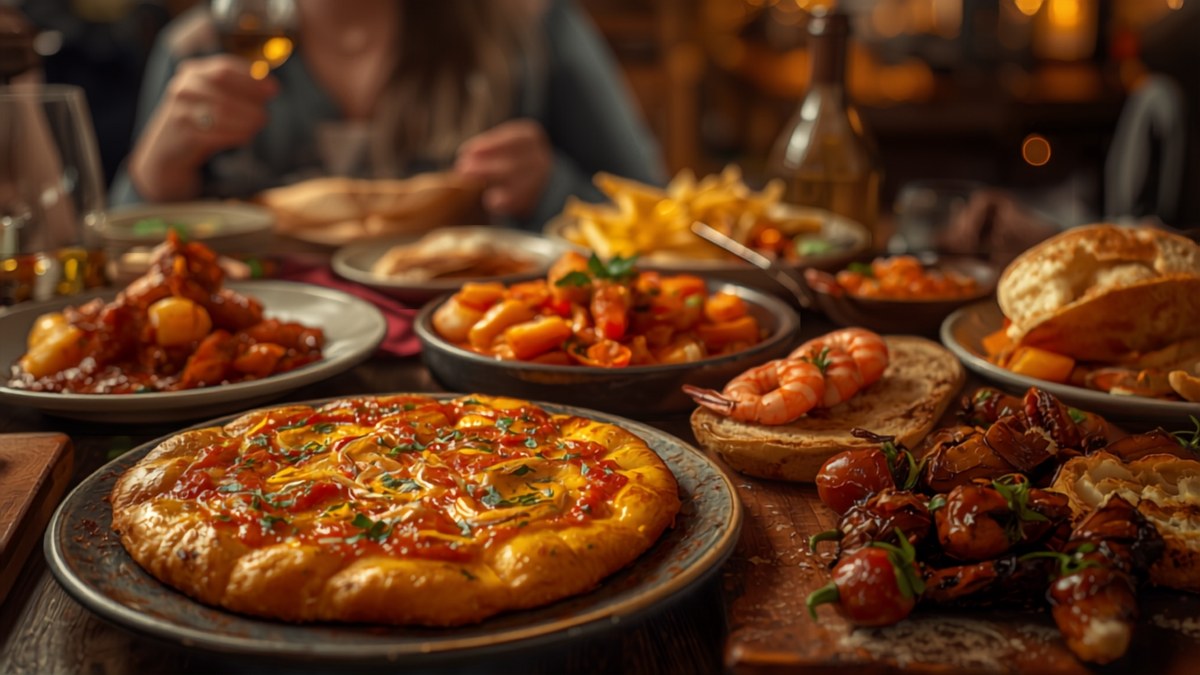
Barcelona is one of Europe's great eating cities, and Spanish food is built on pork. Jamón and chorizo aren't just tapas you can skip; they're the seasoning. A few slices of ham land in the croquetas, the lentil stew, the eggs, even on top of your tomato bread. So the challenge here isn't finding food, it's knowing which harmless-looking plate has pork hiding in it. The good news: Catalonia is Spain's largest Muslim community, and Barcelona has a dense halal quarter, so eating well is genuinely easy once you know the map.
Just how halal-friendly is Barcelona?
Easier than its cuisine suggests. Spain is home to roughly 2.5 million Muslims (about 5% of the country), and Catalonia is the largest Muslim region in Spain, predominantly Moroccan, Pakistani and Senegalese communities. That means real halal infrastructure: restaurants, butchers and mosques, concentrated in the city centre.
Where the halal food is
- El Raval (in the Old City, Ciutat Vella) has the city's densest cluster of halal restaurants, Pakistani, Bangladeshi and Middle Eastern kitchens (biryani, karahi, tandoori, kebabs) along and around Carrer de la Cera and Carrer de l'Hospital. Locals sometimes call this stretch "Little Pakistan." It's central and walkable from La Rambla.
- Nearby districts like El Born are great for general dining and tapas, but the halal concentration is in El Raval, that's the one to aim for.
If you want someone who knows which tapas bars to skip and which to trust, a guided Barcelona food tour sorts your first evening, browse Barcelona food tours on GetYourGuide.
The pork words to know
Spanish and Catalan menus hide pork under many names. Learn these and you've solved most of it:
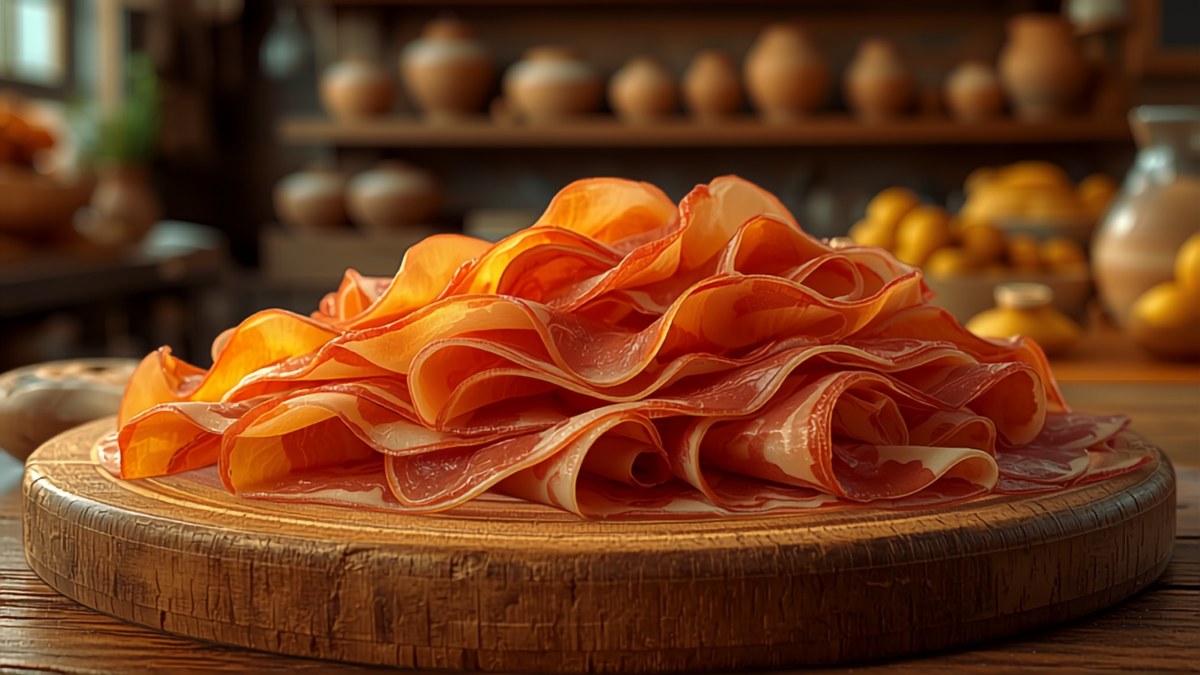
- Jamón, cured ham (pork). See is jamón halal?
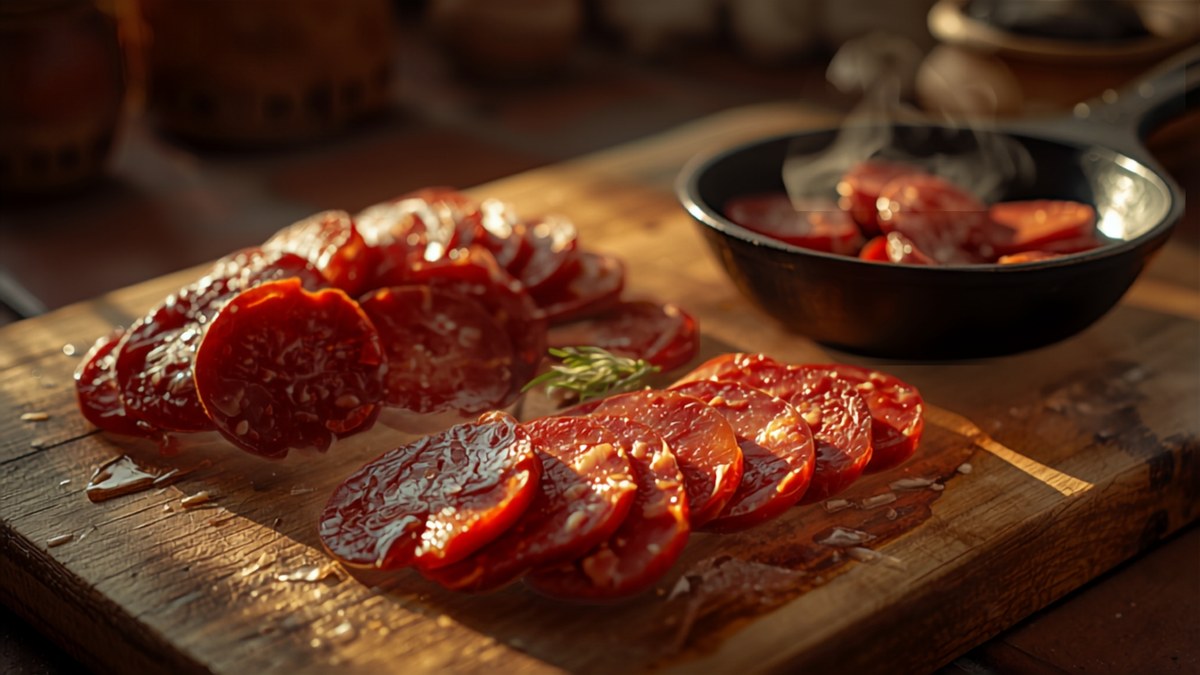
- Chorizo, pork sausage. See is chorizo halal?
- Botifarra, Catalan pork sausage (botifarra negra is blood sausage).
- Morcilla, blood sausage (pork). A hard no.
- Lomo, panceta, tocino, bacon, all pork.
Where pork hides (the real catch)
Even dishes that look meat-free often aren't:
- Croquetas are usually ham (croquetas de jamón is the default).
- Lentil stew (lentejas), huevos rotos and some "vegetable" plates get jamón or chorizo dropped in.
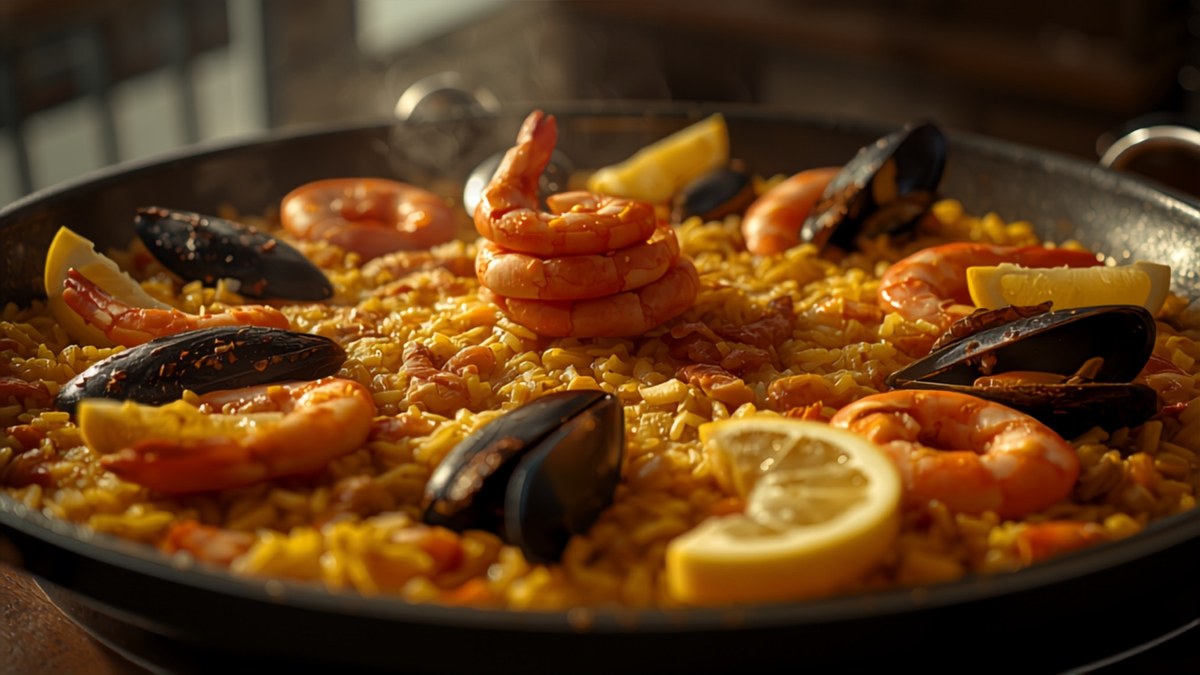
- Paella often has chorizo and a pork or meat stock, see is paella halal?
- Pa amb tomàquet (tomato bread) is safe, until they lay jamón on top.
For the plates you can order with confidence, see Spanish food without pork.
Seafood and drinks
Barcelona is a seafood city. Whether shellfish (prawns, mussels, clams, squid) is permissible depends on which school you follow, many travelers eat all seafood, while some, following the Hanafi school, limit it to fish with scales. Follow your own practice, and note that paella and fideuà are usually shellfish dishes. On drinks: sangria and tinto de verano are wine-based, order a mosto (grape juice), horchata, or a soft drink instead.
What to ask
The two phrases that cover most of it: "¿Lleva jamón?" / "¿Lleva cerdo?" (Does it have ham / pork?) and "¿Lleva chorizo?" When unsure about a rice or stew, ask about the stock too.
FAQ
Is it easy to find halal food in Barcelona? Yes. Catalonia is Spain's largest Muslim region, and El Raval in the old city has a dense cluster of Pakistani, Bangladeshi and Middle Eastern halal restaurants. The challenge is traditional Spanish food, where pork (jamón, chorizo) is used as a seasoning and hides in many dishes.
What Barcelona foods should I check? Anything that might hide jamón or chorizo, croquetas (usually ham), lentil stews, "vegetable" tapas, paella (often chorizo + meat stock). Avoid morcilla and botifarra negra (blood sausage). Most other things you can sort with one quick question.
Is paella halal? It depends, traditional Valencian paella has no chorizo, but many restaurant versions (paella mixta) add chorizo or pork, plus the base may use wine or meat stock, and seafood paella raises the shellfish question. Ask, or choose vegetable paella. (Full detail in the paella guide.)
What can I eat with confidence? Tortilla española, pa amb tomàquet (hold the ham), gazpacho, escalivada, padrón peppers, calçots with romesco, and most grilled seafood (subject to your view on shellfish). See the pork-free guide.
A note on how we talk about food: this guide is general traveler information about typical recipes, not a ruling on any specific restaurant's kitchen. Ingredients and preparation vary from place to place, always confirm directly with the venue.
<!-- CTA: the $9 itinerary call-to-action is injected automatically by the guides surface (top + bottom). Do NOT hand-write an inline CTA in the body, it would double up. -->