What to Eat in Trabzon: The Black Sea Food Guide
What should you eat in Trabzon? Start with kuymak — molten cheese and cornmeal, the Black Sea's breakfast icon — then Akçaabat köfte (the garlicky grilled meatballs the whole country knows this coast for), a detour-worthy bowl of Hamsiköy sütlacı (baked rice pudding from a mountain village), wood-fired Black Sea pide, and a plate of buttery pilav at a house that has cooked one dish since the 1850s. Wash it down with endless çay — this is Türkiye's tea coast — and finish on baklava. And like the rest of Türkiye, the everyday food here is halal by default, so you can order all of it with confidence.
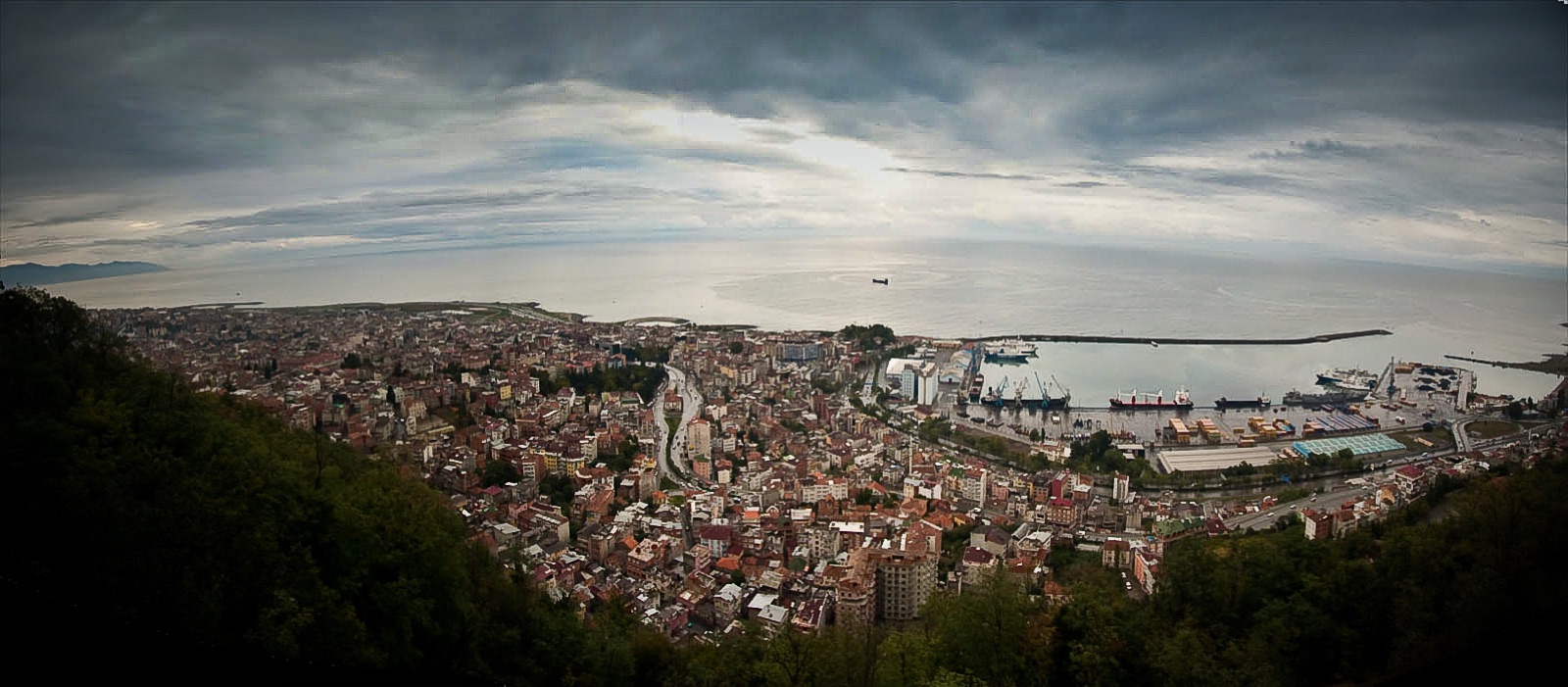
Trabzon is not Istanbul. The food of the eastern Black Sea (Karadeniz) is its own world — built on corn, butter, mountain dairy, anchovies and tea, shaped by green highlands that drop straight into the sea. This guide is the map: the dishes that define the city, where locals actually eat them, and the honest notes most guides skip (including why you probably won't eat the famous anchovy in summer).
What makes Black Sea food different?
Most of the Turkish food the world knows — the kebab canon, the meze table — comes from the south and west of the country. The eastern Black Sea cooks from a different pantry:
- Corn, not wheat, was historically the staple grain — cornmeal and cornbread are everywhere.
- Butter and mountain cheese from cattle grazed on highland pastures (yayla) above the clouds.
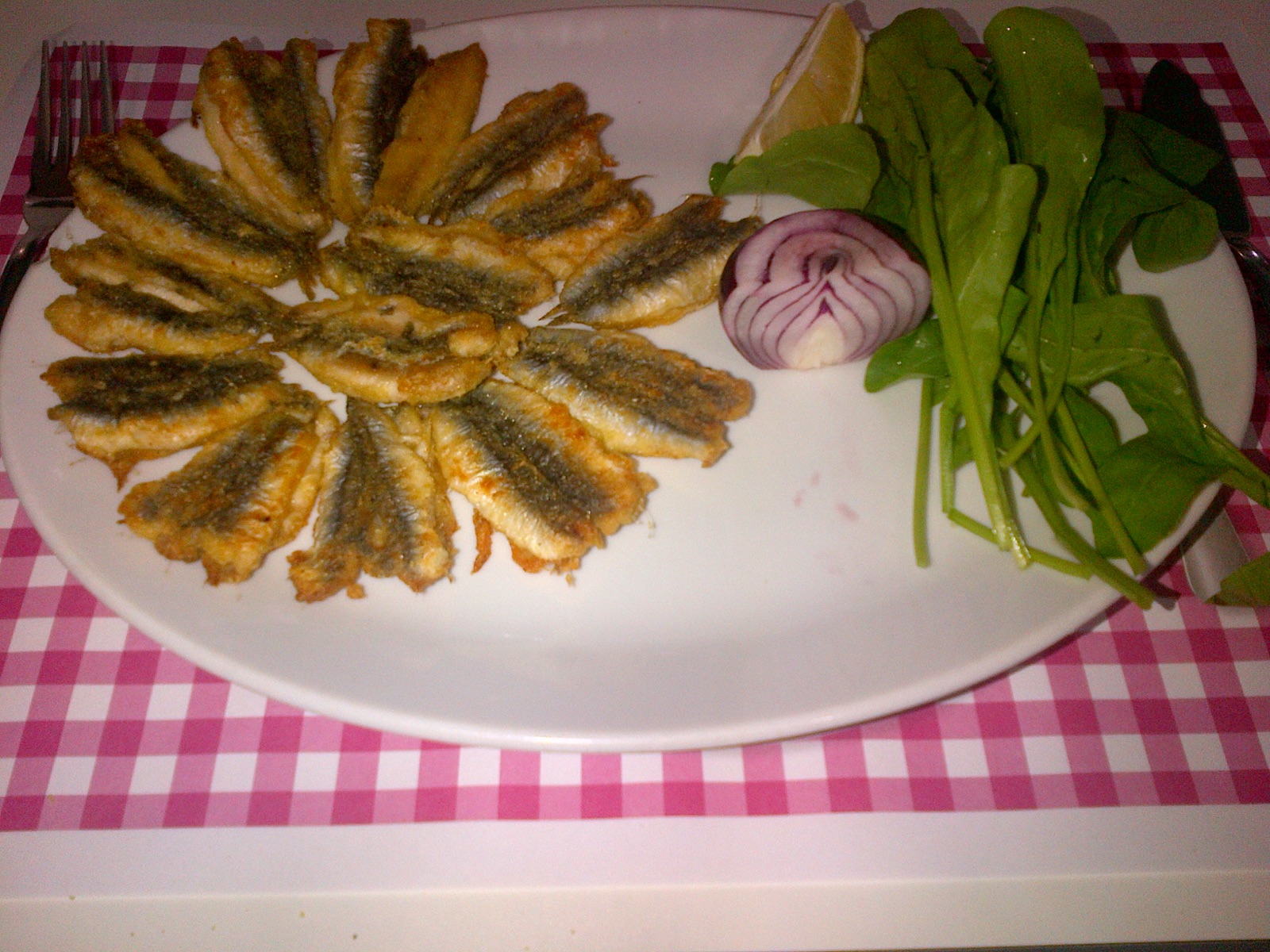
- Hamsi — the Black Sea anchovy — the region's beloved fish, fried, baked into pilav, even worked into desserts in folklore. (Winter only; more on that below.)
- Tea — the hills east of Trabzon grow virtually all of Türkiye's çay, and the locals drink it accordingly.
- Greens and beans — collard greens (karalahana) in soups and wraps, fresh beans cooked in butter.
The result is hearty highland food: pans of bubbling cheese, charcoal köfte, milk desserts and strong tea. It's also one of the most halal-straightforward food scenes anywhere — a Muslim-majority coast where the everyday kitchen simply is halal, with no menu-decoding required.
Kuymak — the dish Trabzon is proudest of
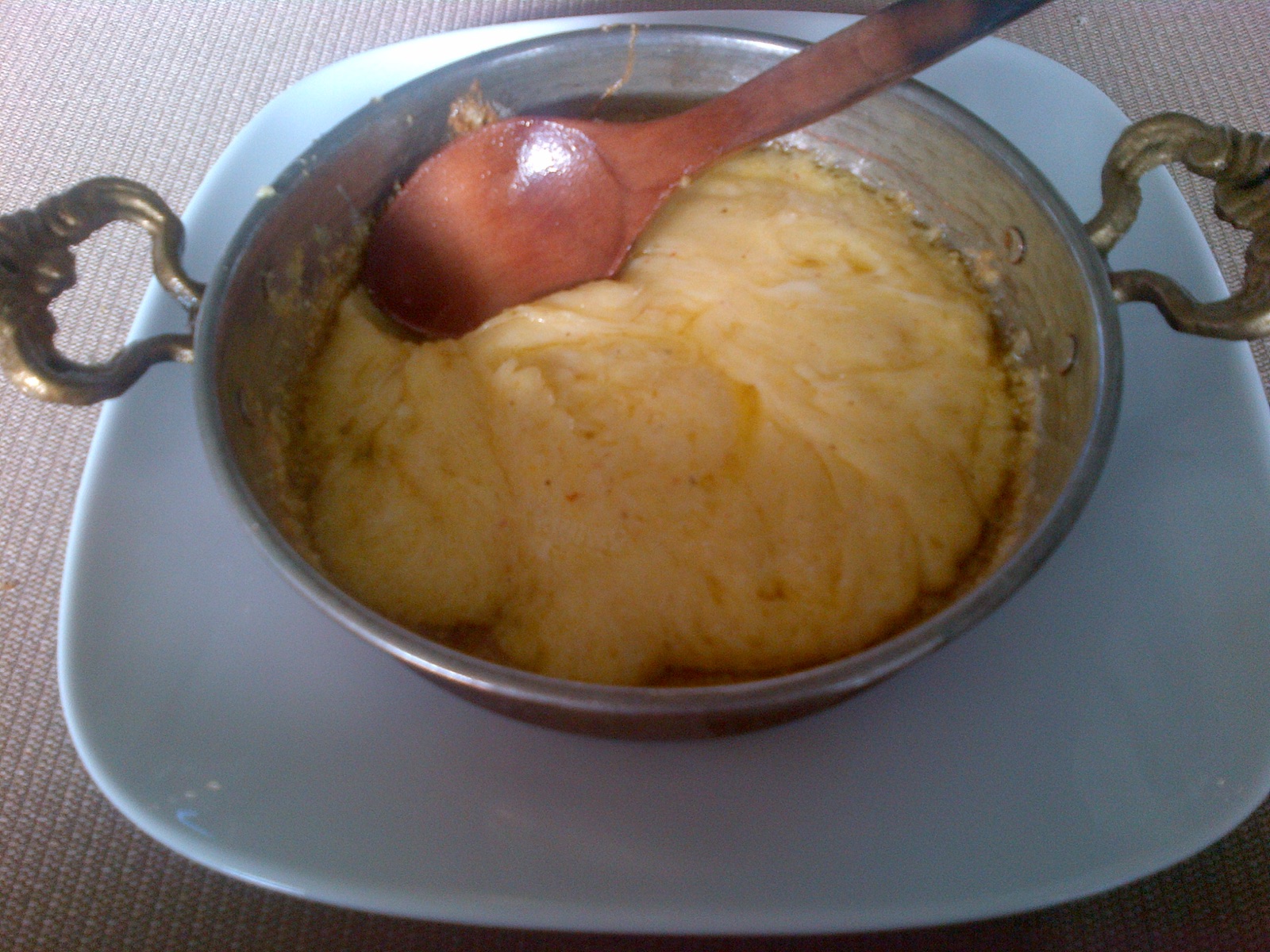
If Trabzon has one signature, it's kuymak: cornmeal cooked with butter and local kolot cheese into a molten, stretchy pan that arrives still bubbling, eaten by tearing in with bread. It's the centerpiece of a Black Sea breakfast and the first thing locals tell you to try. (You may also hear it called muhlama — same family of dish, the name shifts as you move along the coast.)
You'll find it at breakfast houses across the city. Around Meydan — the central square and the natural base for a first-time visit — Bahçe Cafe & Restaurant (★ 4.2 on Google) is a dedicated breakfast restaurant, and Tuana Cafe (★ 4.7 on Google) is a popular café stop steps from the square. Out at Uzungöl, the lakeside breakfast at Salim Kafe (★ 4.8 on Google) is a famous way to start an excursion day.
The full story — what's in it, kuymak vs. muhlama, and how to order it — is in our decoder: What Is Kuymak?
Akçaabat köfte — Türkiye's most famous meatballs
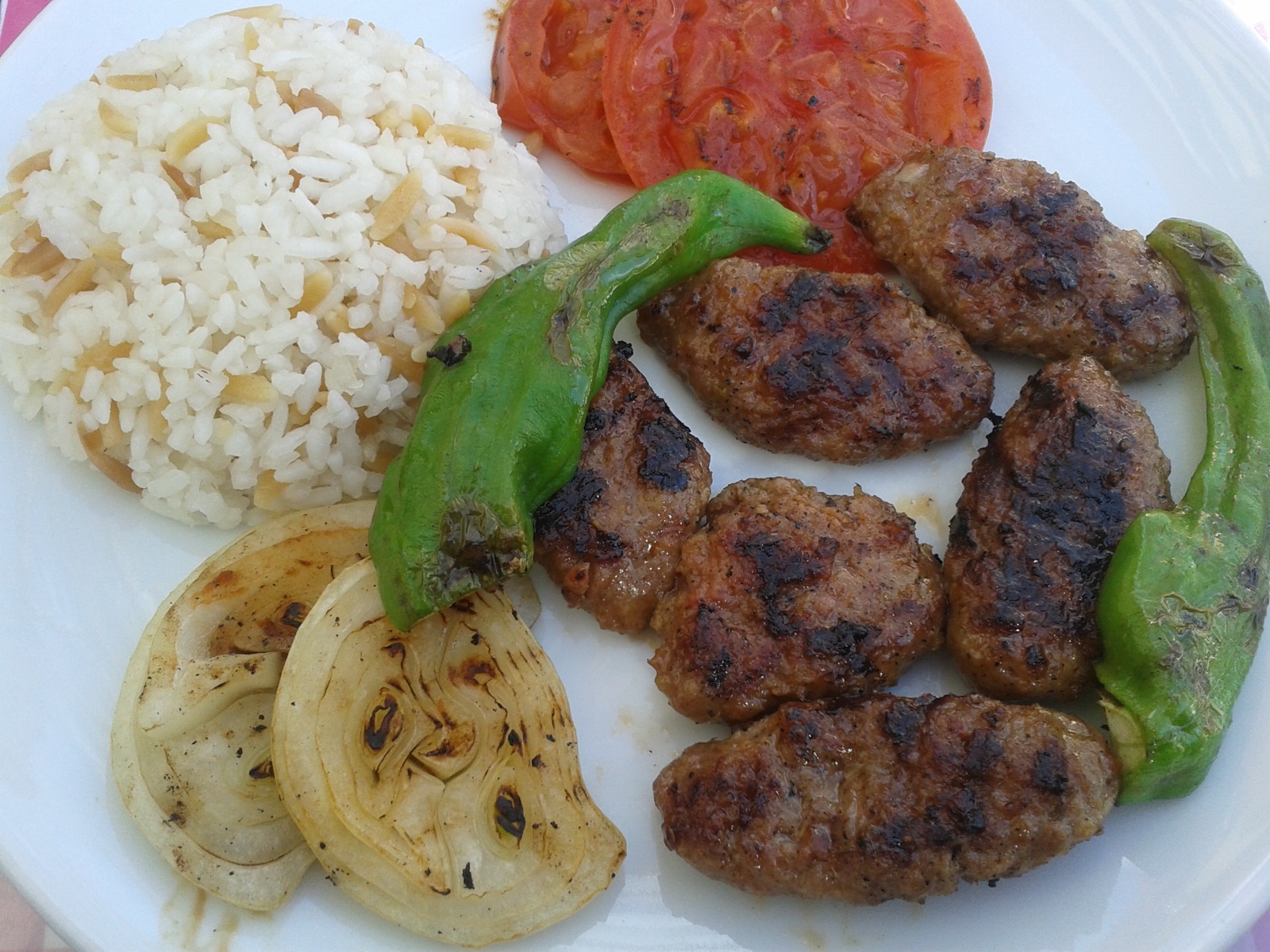
Fifteen kilometres west of the city, the coastal town of Akçaabat gave its name to grilled meatballs so renowned they carry a registered geographical indication: beef raised in the district, day-old bread, garlic and salt, grilled over wood charcoal. Simple, garlicky, smoky — and imitated all over the country.
Locals eat them two ways: in the city, at Kamiloğlu Köfte (★ 4.8 on Google) down by the Moloz waterfront — the in-town address of one of Akçaabat's köfte dynasties, and a lunch stop (it closes around 19:00) — or at the source, where Köfteci Ali Akçaabat (★ 4.6 on Google, with nearly 4,000 reviews) and Kamiloğlu Köfte Akçaabat (★ 4.8 on Google) are the institutions worth the short drive.
The full decoder — why these köfte are different and how the GI story happened — is here: Akçaabat Köfte: Why Trabzon's Meatballs Are Famous
Hamsiköy sütlacı — the rice pudding worth a detour
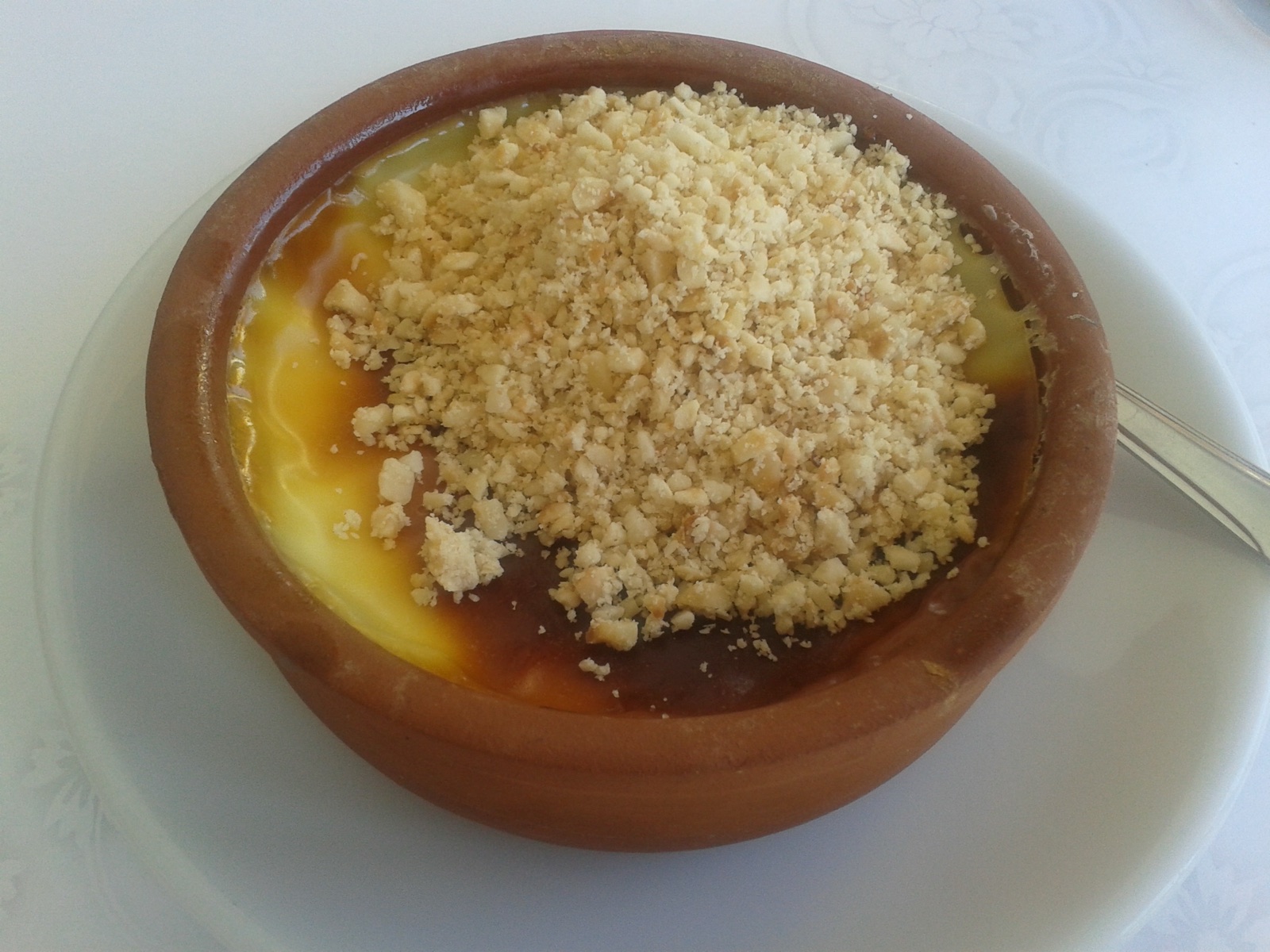
In the mountain village of Hamsiköy, on the road up to the Sümela Monastery, they bake rice pudding with milk from cattle grazed on the surrounding pastures until it takes a deep caramelized crust. It is Türkiye's most famous sütlaç — GI-registered since 2017, with rules about where the milk comes from — and it tastes like the altitude: cleaner, milkier, less sweet than the city version.
In town, Dededen Toruna Hamsiköy Sütlacı (★ 4.8 on Google) is the in-city address. On the Sümela road itself, Garibin Yeri (★ 4.8 on Google) is the classic roadside stop. There's even a Meydan spot, Mendi & Uğur Usta Hamsiköy Sütlaç (★ 4.6 on Google), if you can't leave the square.
Full decoder: Hamsiköy Sütlacı: The Rice Pudding Worth a Detour
Trabzon pide — the wood-fired original
Black Sea pide is its own school: long boats of dough baked in a wood oven, loaded with butter, cheese or cubed meat — often served closed (kapalı), the crust sealed over the filling like a giant buttery calzone. Trabzon takes its pide seriously, and the city's cult address is Kutlu Pide (★ 4.8 on Google) in the Ortahisar old town — the oven locals treat as a benchmark.
Order a kapalı (closed) pide with cheese or kuşbaşılı (cubed meat), and don't skip the butter brushed over the crust.
Kalkanoğlu pilavı — one dish since the 1850s
Tarihi Kalkanoğlu Pilavı (★ 4.3 on Google, 3,500+ reviews) in the Çarşı market district has been run by the same family since the 1850s, and it serves essentially one thing: buttery rice pilav, perfected across generations, with its traditional accompaniments. It's one of the oldest single-dish institutions in Türkiye and a piece of living food history.
One honest, practical note: it's a lunch place. It closes early in the evening, so go midday — pilav, beans, and you'll understand why a restaurant can survive 170 years on rice.
Laz böreği — the dessert that isn't a börek
Don't let the name fool you: Laz böreği, from the Laz communities of the eastern Black Sea, is a dessert — layers of thin pastry baked over a milky custard (muhallebi) filling, dusted with powdered sugar. It looks like baklava's pale cousin and eats like a custard slice. You'll spot it in dessert shops and pastanesi cases around the center; it's the most Black Sea thing on any sweets counter.
For classic baklava and lokum in the market streets, Abdullah Efendi (★ 5.0 on Google) and Hacı Temel (★ 4.9 on Google) are top-rated small shops, and Beton Helva (★ 4.3 on Google) by Meydan is a Trabzon institution for helva and ice cream — the name means "concrete helva," after the famously dense local style.
Çay — you're in Türkiye's tea country
The hills along this coast grow virtually all of Türkiye's tea, and Trabzon drinks it with regional pride: small tulip glasses, brewed strong and dark, refilled until you signal surrender. The classic move is to head up Boztepe, the hill above the city, where tea gardens look out over the bay — locals' favorite slow afternoon. Up there, Harun Paşa Konağı (★ 4.9 on Google) is a top-rated konak restaurant if the tea stop turns into a meal.
Black Sea fish — and the honest hamsi note
Hamsi — the Black Sea anchovy — is the soul fish of this coast: fried crisp by the plateful, baked into hamsili pilav, sung about in folk songs. But here's what most guides won't tell you:
Hamsi is a winter fish. The season runs roughly from late autumn into early spring. If you're visiting between June and September — as most Gulf-summer travelers are — fresh local hamsi simply won't be on the boats, and a "hamsi" offered in August isn't the real thing. Don't chase it; eat what the season actually gives you:
- Alabalık (trout) — the highland specialty, farmed in the cold streams around Uzungöl and the mountain valleys, grilled or pan-fried in butter. This is the right fish for a summer visit.
- Seasonal Black Sea catch and farmed sea fish at the city's balık lokantası — Balıklama Balık Lokantası (★ 4.2 on Google) near the Ganita shore is a dedicated fish house.
- Balık ekmek — the grilled-fish sandwich — done Trabzon-style on the waterfront at Ganita Balık Ekmek Yeri (★ 4.2 on Google).
Come back in January for hamsi season. In summer, trout by a mountain stream is the better meal anyway.
The Black Sea breakfast, beyond kuymak
Breakfast is Trabzon's strongest meal, and it's worth understanding the whole ritual, not just its star dish. The format is serpme kahvaltı — "spread breakfast": a table filled edge-to-edge with small plates of white cheese and kolot, olives, tomatoes and cucumber, honey and clotted cream, jams, eggs with sucuk or menemen, fresh bread — and the kuymak pan bubbling in the middle. It's unhurried by design; locals give a weekend breakfast the time other cities give brunch.
The quicker weekday alternative is the börek house. Trabzon takes its börek — flaky layered pastry, usually cheese, minced-meat or potato — seriously enough that börek shops anchor whole streets. Dila Börek (★ 4.7 on Google), a bakery just off Meydan, is the classic example: börek with çay, in and out, the working city's breakfast. Down by the Ganita end, Levent Börek (★ 4.7 on Google) plays the same role, and the harbor-side Mendirek Kafe (★ 4.5 on Google) covers the café-breakfast middle ground.
Two practical notes: breakfast peaks mid-morning — arriving at 8:00 sharp gets you the freshest börek, arriving at 11:30 gets you the tail end — and the spread is priced per person, so come hungry enough to do it justice.
More local plates worth knowing
Beyond the headliners, a few dishes round out the Black Sea repertoire — worth recognizing on any lokanta menu:
- Sac kavurma — cubed meat seared on a domed iron plate (sac) with peppers and tomato, arriving still sizzling. A Meydan-area specialist, Ömerro Sac Kavurma (★ 4.9 on Google), has built its whole reputation on the dish.
- Karalahana çorbası — collard-green soup with beans and corn, the homestyle taste of the region's gardens. Humble, ubiquitous in traditional lokantas, and the most "grandmother's kitchen" thing you can order.
- Kuru fasulye — butter-braised white beans, the eternal partner of pilav. At Kalkanoğlu it's half of the historic order.
- Taş fırın bread — the dense, chewy stone-oven loaves this coast bakes big; the bread basket here is its own argument for carbs.
- Ev yemekleri (home-cooking) lokantas — tray counters of daily stews and vegetable dishes; point, smile, and eat what the neighborhood eats. Near Meydan, Kalender Lokanta (★ 4.5 on Google) works exactly this way.
None of these need a dietary decode — it's all halal-by-default everyday cooking; vegetarians will find the soup-and-beans end of the menu their best friend after breakfast.
When to visit, food-wise
Trabzon's table changes more with the calendar than most cities — worth a minute of planning:
- June–September (the Gulf summer season): green highlands, mild coast, the yayla pastures at full strength — peak dairy season, so kuymak and sütlaç are at their best. Trout at Uzungöl, every breakfast outdoors. The one absence: no hamsi — the anchovy is out of season, whatever a tourist menu claims.
- October–November: the tea harvest winds down, crowds thin, and the first cold snaps bring hamsi back to the boats — arguably the sweet spot for eaters who want both worlds.
- December–March: hamsi season proper. Fried hamsi by the plateful, hamsili pilav, the coast at its most local. Cold, wet, atmospheric — bring a coat and an appetite.
- April–May: spring greens, karalahana at its freshest, the mountains waking up — and the excursion roads (Sümela, Uzungöl) at their quietest before summer.
Where to eat — the quick area map
| Area | What it is | Eat this there |
|---|---|---|
| Meydan & Uzun Sokak | The central square + shopping spine — your base | Breakfast & kuymak, çay, helva at Beton Helva (★ 4.3) |
| Çarşı & Moloz | Market streets + the waterfront | Kalkanoğlu pilavı (★ 4.3), Kamiloğlu köfte (★ 4.8), baklava |
| Ganita | The seafront promenade | Fish, balık ekmek, sunset çay — Ganita restaurant (★ 4.6) is the landmark |
| Ortahisar | The old walled town | Kutlu Pide (★ 4.8), Dededen Toruna sütlaç (★ 4.8) |
| Boztepe | The hill above the city | Tea gardens with the view; Harun Paşa Konağı (★ 4.9) |
| Akçaabat | Coastal town, 15 km west | Köfte at the source — Köfteci Ali (★ 4.6) |
| Sümela road (Maçka) | The monastery valley, ~45 km | Hamsiköy sütlacı at Garibin Yeri (★ 4.8) |
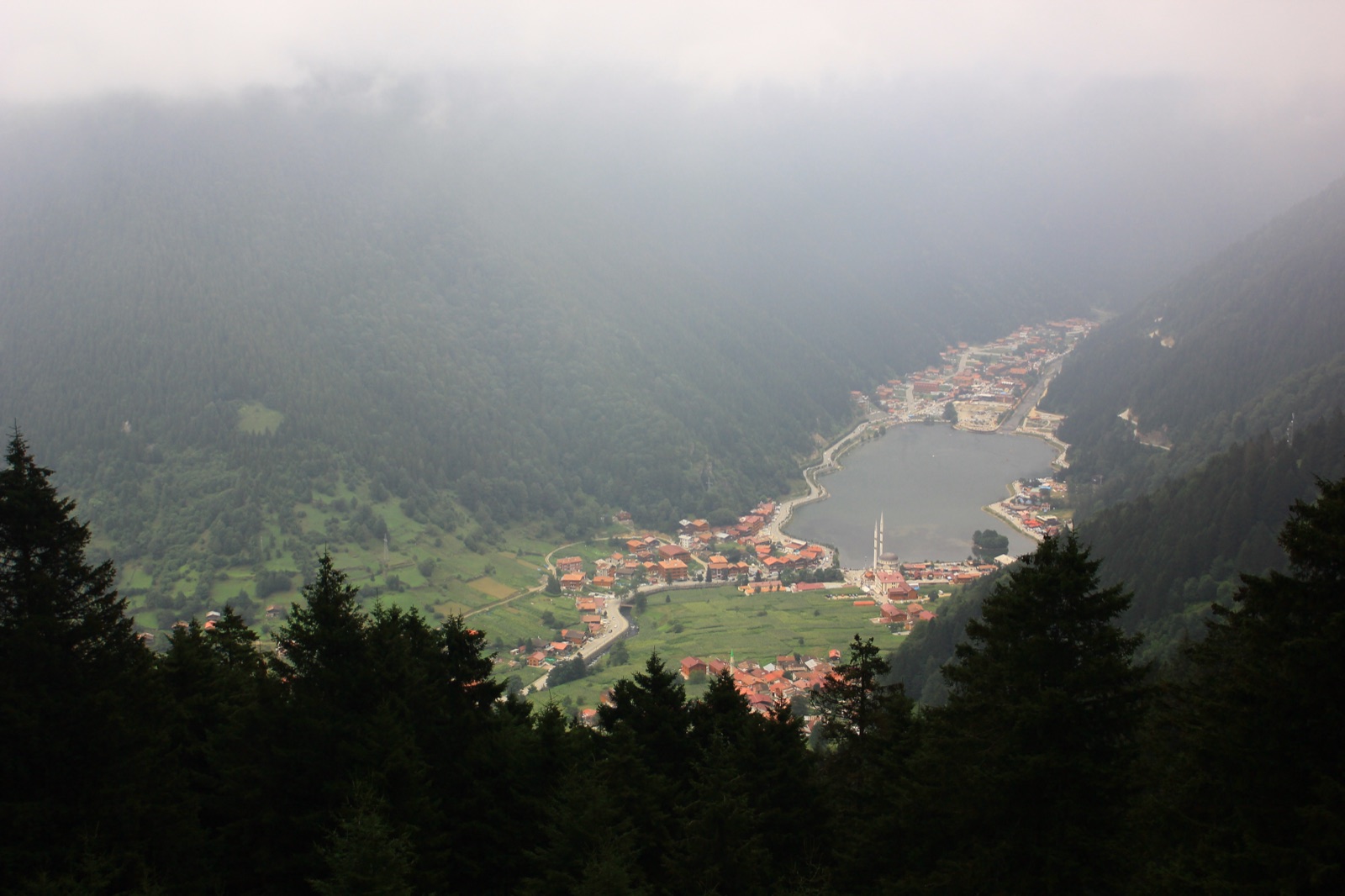
| Uzungöl | The famous lake, ~99 km | Trout by the water — see the day-trip guide |
A few more city addresses locals rate highly: Kalyoncu Kebap (★ 4.8 on Google) near Meydan for charcoal grills, Çınaraltı Restoran (★ 4.7 on Google) out by the Ayasofya, and Müzeyyen Restaurant (★ 4.7 on Google) east of the center.
The day trips are food trips too
Trabzon's two famous excursions both come with a built-in food agenda. The cliff-face Sümela Monastery pairs naturally with the Hamsiköy sütlacı stop on the same road, and Uzungöl — the lake in the mountains — is where you eat highland trout at the water's edge. We've written the honest version of the lake day (including how to dodge the tourist traps): Uzungöl in a Day: What to Actually Eat at the Lake.
Going guided instead of driving? Sümela and Uzungöl day tours run from Trabzon daily in season — browse Trabzon tours on Viator.
Putting the whole thing together? Trabzon in 5 Days: The Food-First Itinerary lays out the day-by-day shape — and if you're pairing the Black Sea with the Bosphorus, Istanbul + Trabzon: Two Türkiyes in One Trip covers the classic combination.
Is the food in Trabzon halal?
Yes — the everyday food is halal by default. Trabzon is a conservative Muslim-majority city in a Muslim-majority country: the breakfast houses, köfte grills, pide ovens, fish lokantas and sweet shops are halal as a matter of course, with no checking required. It's one of the most relaxed places a halal traveler can eat — order anything in this guide with confidence. (As anywhere in Türkiye, a handful of hotel and tourist venues serve alcohol; the everyday food scene in these guides sits apart from that.)
FAQ
What food is Trabzon famous for? Kuymak (molten cornmeal and cheese), Akçaabat köfte (garlicky grilled meatballs), Hamsiköy sütlacı (baked rice pudding), wood-fired Black Sea pide, Kalkanoğlu pilavı from an 1850s pilav house, Laz böreği, strong Black Sea tea — and hamsi (anchovy) in winter.
Is the food in Trabzon halal? Yes — Trabzon's everyday food is halal by default, as across Türkiye. The grills, breakfast houses, fish restaurants and sweet shops are halal as a matter of course.
Can I eat hamsi in Trabzon in summer? No — hamsi is a winter fish, in season roughly from late autumn to early spring. In summer, eat highland trout (alabalık) at Uzungöl or seasonal fish at the city's fish restaurants instead.
What is kuymak? Trabzon's signature breakfast: cornmeal cooked with butter and local kolot cheese into a molten, stretchy pan dish, eaten hot with bread. Elsewhere on the coast it's called muhlama.
Is Trabzon good for vegetarians? Breakfast is the strong suit — kuymak, eggs, cheeses, olives and börek are meat-free, and the sweets and tea culture need no checking. Mains lean heavily to grilled meat and fish, so vegetarians do best at breakfast houses, soups (karalahana) and the beans-and-pilav end of the menu.
> Türkiye's everyday food is halal by default, and Trabzon especially so. Ratings shown are point-in-time Google figures; hours, prices and details change — confirm on-site.