Food guides

Halal Food in Paris: A Traveler's Guide to Eating Well

Paris is full of halal food, but classic French cooking hides pork in the salad and wine in the sauce. Where the halal food is, the dishes to check, and the French classics that are naturally fine.

Paris is one of the easiest cities in Europe to eat halal, and one of the easiest to get caught out in classic French cooking. France has the largest Muslim population in Europe (around 5.7 million, roughly 8.8%, a Pew estimate, since France doesn't collect religious-census data), so halal restaurants, North African kitchens and halal butchers are everywhere. The catch is the traditional French table, where two things hide in plain sight: pork turns up in the salad, and wine turns up in the sauce.

The one-two catch to remember

  • Pork hides in salads and "vegetable" dishes as lardons (small bacon pieces). The classic salade lyonnaise (frisée aux lardons) is built on them, and the dressing is often emulsified with the bacon fat, so even "just the salad" isn't pork-free. Lardons also hide in quiche Lorraine, tartiflette and many omelettes.
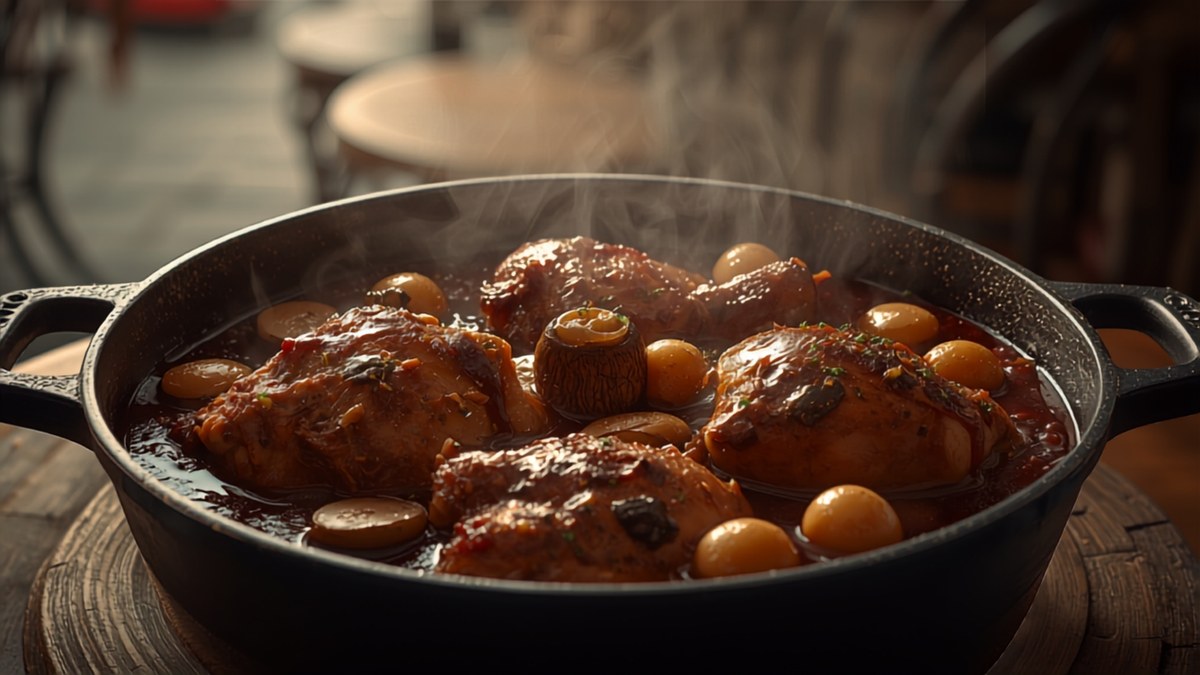
  • Wine is the base of classic French sauce-making. Bordelaise, beurre blanc, coq au vin, bœuf bourguignon, a "sauce" on a French menu is frequently a wine reduction. And the old line that "the alcohol cooks off" isn't true: a good amount remains, roughly a quarter is still there after a full hour of simmering, and about three-quarters after a quick flambé.

A few more to know: a crêpe or galette "complète" comes with ham; many set desserts (mousse, glazed tarts, marshmallow) use gelatin that's often unlabeled; and a few French desserts are spiked, baba au rhum (rum, in an uncooked syrup) and crêpes Suzette (orange liqueur, often flambéed).

Where the halal food is

Paris has whole neighborhoods of North African and Middle Eastern food:

  • The Grande Mosquée de Paris (5th) has a salon de thé and a restaurant serving couscous, tagine and mint tea, central, alcohol-free and easy for a first-timer.
  • Barbès and La Goutte d'Or (18th), North and West African food and lively markets (Marché Dejean, Marché Barbès). Official US/UK travel advice flags pickpocketing on the Métro and at big stations generally, not these neighborhoods; they do feel busier and edgier after dark, so keep normal city awareness, but they're home to some of the city's best African and North African food.
  • Belleville (19th/20th), a genuinely mixed quarter: Maghrebi (Tunisian, Algerian, Moroccan) alongside Paris's second Chinatown and a strong Tunisian-Jewish heritage, so its North African food isn't all halal, worth confirming.
  • Rue Jean-Pierre Timbaud (11th), known for Berber and Algerian eateries (couscous, tagine, mint tea).

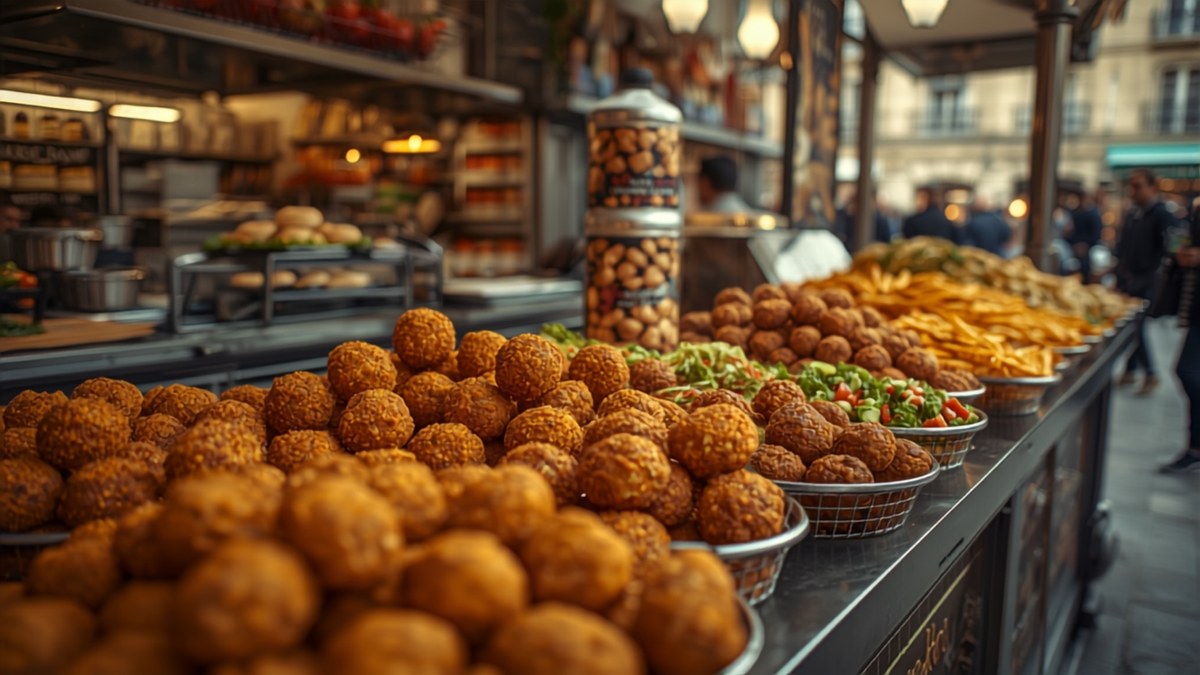
Two honest notes so you're not misled: the famous falafel of Rue des Rosiers (the Marais) is in the historic Jewish quarter and is kosher, not halal; and La Chapelle ("Little Jaffna") is Sri Lankan and Tamil, not North African.

If you would rather a local navigate the halal-friendly bistros for you, a guided Paris food tour is an easy start, browse Paris food tours on GetYourGuide.

What's naturally fine

Plenty of French food is pork-free and alcohol-free by default, ratatouille is the cleanest order on any menu, and plain steak frites, moules (ask the style), crêpes (plain or sweet), omelettes (plain) and salade niçoise (a fish dish) all work with one quick check. See the dish guides for the details.

What to ask

Two questions cover most of it: "Is there pork or lardons in it?" (for salads, sauces, "vegetable" gratins and egg dishes) and "Is there wine or alcohol in the sauce?" On a cheese plate, the extra one is rennet, traditional French cheeses often use animal rennet, so strict travelers ask for one made with vegetable (microbial) rennet.

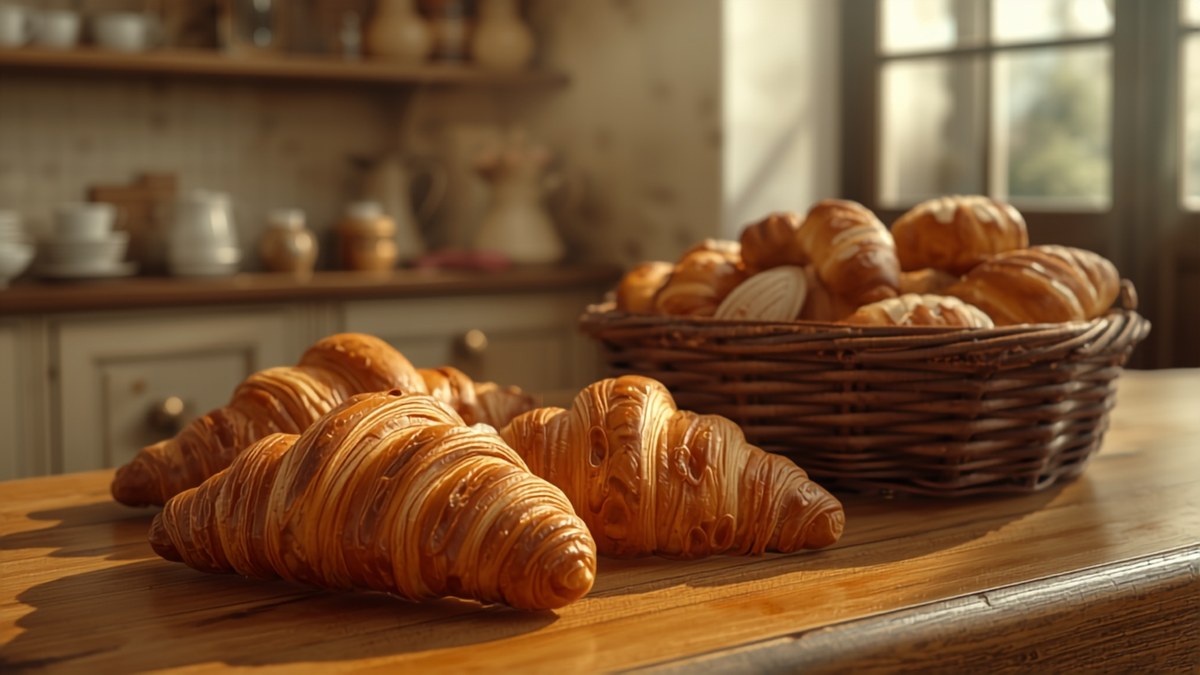
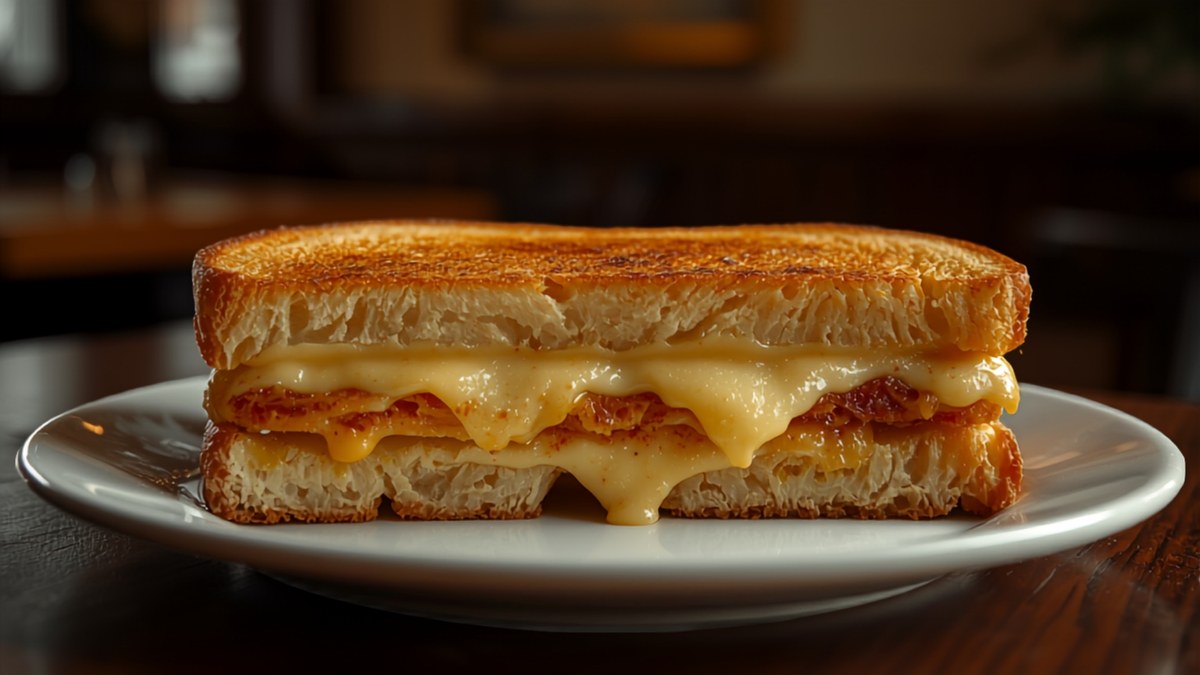
Dig into the specific dishes: is a croissant halal?, is coq au vin halal?, is escargot halal?, and is a croque monsieur halal?

FAQ

Is it easy to find halal food in Paris? Yes, very. France has the largest Muslim population in Europe, and Paris has whole neighborhoods of North African and Middle Eastern food, halal butchers and halal restaurants. The thing to watch is traditional French cooking, where pork (lardons) and wine hide in everyday dishes.

What French foods should I check? Anything with lardons (salads like salade lyonnaise, quiche Lorraine, tartiflette, some omelettes), anything in a wine sauce (coq au vin, bœuf bourguignon, many "sauces"), ham in a crêpe "complète" or croque monsieur, gelatin in set desserts, and alcohol in desserts like baba au rhum.

Does the alcohol in French sauces cook off? Not fully. A meaningful amount remains, roughly a quarter after an hour of simmering and about three-quarters after a quick flambé, so a wine-based dish isn't alcohol-free just because it was cooked.

Is French cheese halal? There's no pork or alcohol in cheese, but traditional French cheeses often use animal rennet, which many scholars treat as not halal when it isn't from a halal-slaughtered animal. You can't tell by looking, ask for cheese made with vegetable/microbial rennet, or look for a "suitable for vegetarians" label.


A note on how we talk about food: this guide is general traveler information about typical recipes, not a ruling on any specific restaurant's kitchen. Ingredients and preparation vary from place to place, always confirm directly with the venue.

<!-- CTA: the $9 itinerary call-to-action is injected automatically by the guides surface (top + bottom). Do NOT hand-write an inline CTA in the body, it would double up. -->

Dishes & decoders

Some links in our guides may be affiliate links, see our affiliate disclosure.