Marrakech, Morocco · verified food guide
Where to eat in Marrakech
Real, verified spots that locals love, with photos and Google Maps links. Free to browse, in clear Arabic and English.
Marrakech food guides
All guides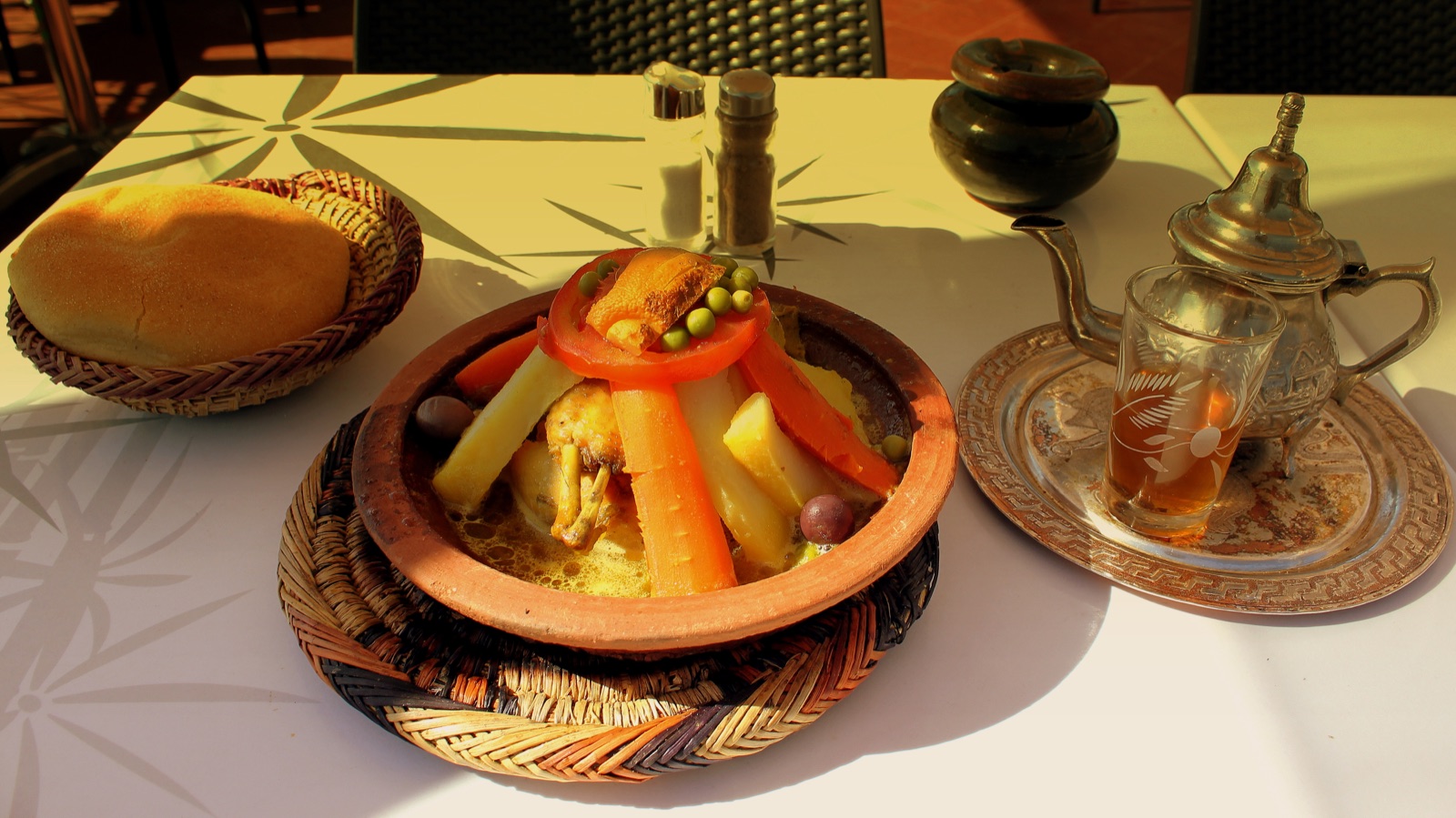 What to Eat in Marrakech: The Honest GuideTagine, Friday couscous, tanjia, mechoui and the night-market stalls, with real Marrakech venues, honest timing, and the booking rules nobody tells you.
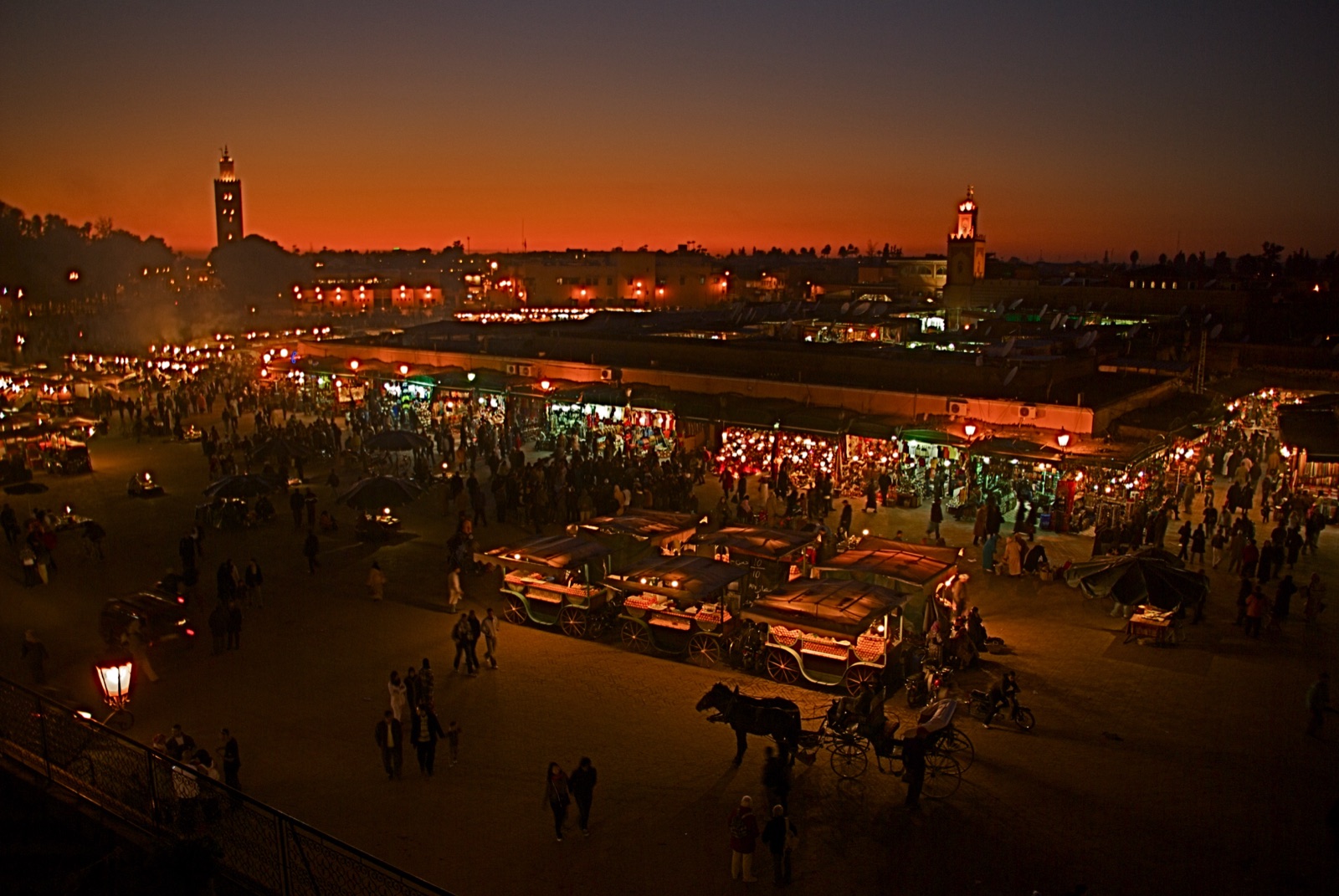 Jemaa el-Fnaa After Dark: The Night Market, Done RightHow the world's most famous food square actually works: picking stalls, fixed prices, what to order, and the dishes worth being brave for.
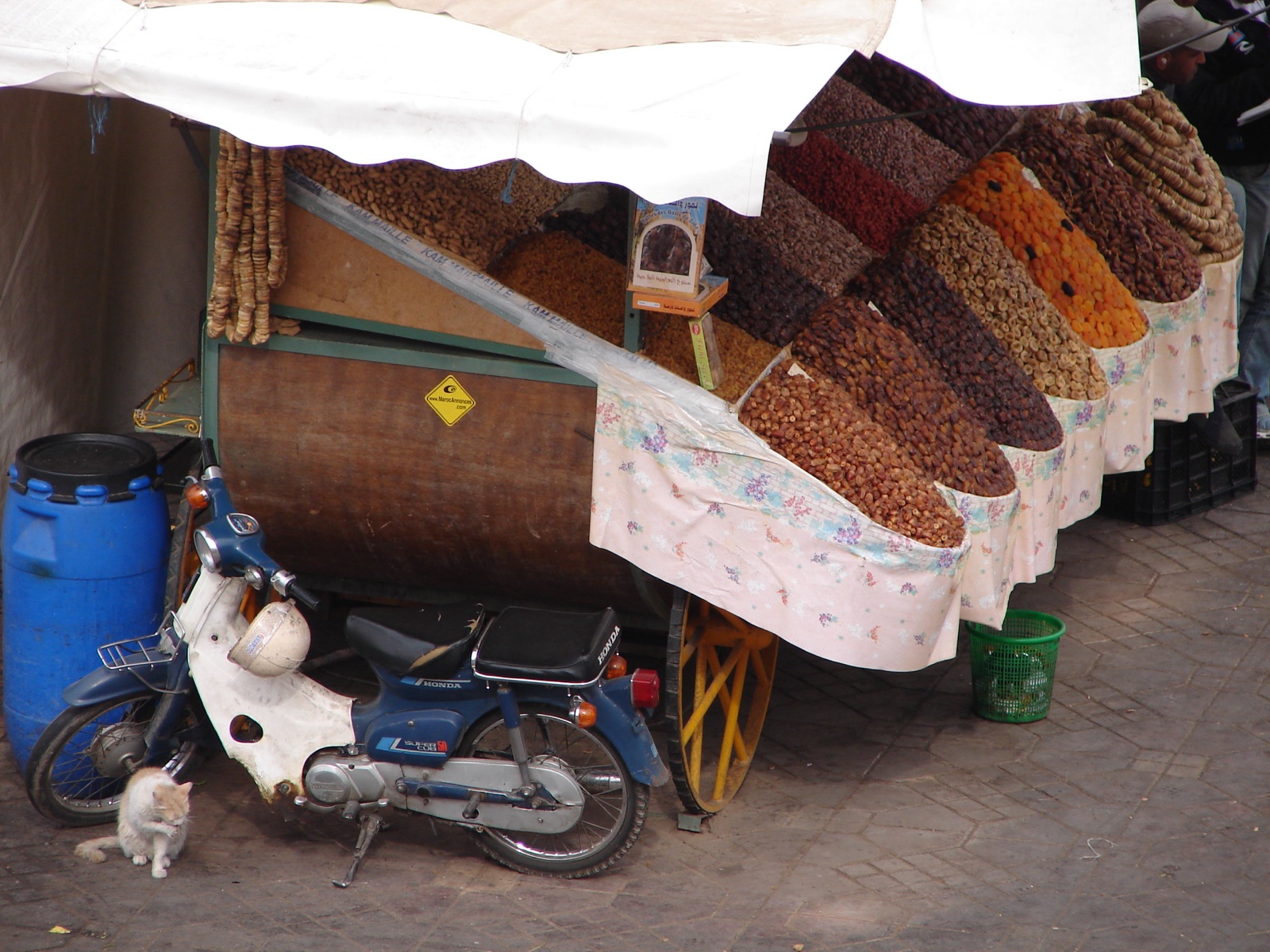 A Food-First Day in Marrakech: The Day PlanHow to structure a Marrakech eating day around the heat: early starts, souk mornings, long shaded lunches, and night-market evenings, with the Friday and excursion variants.
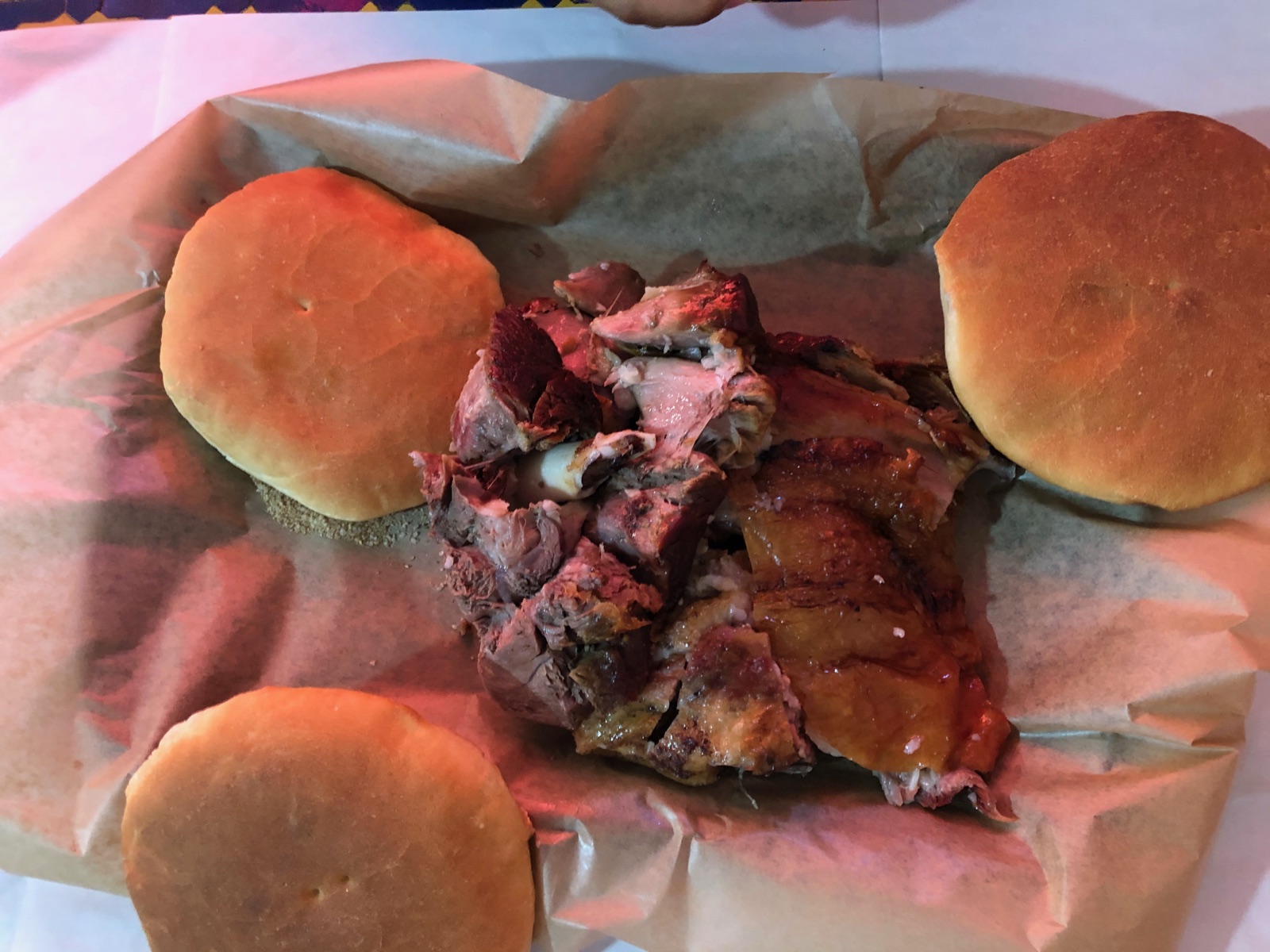 Mechoui Alley: Marrakech's Pit-Roasted Lamb LunchOff the north end of Jemaa el-Fnaa, a narrow lane sells slow-roasted lamb by weight until it runs out. Here's what mechoui is, where to find the alley, and how to order it like you know.
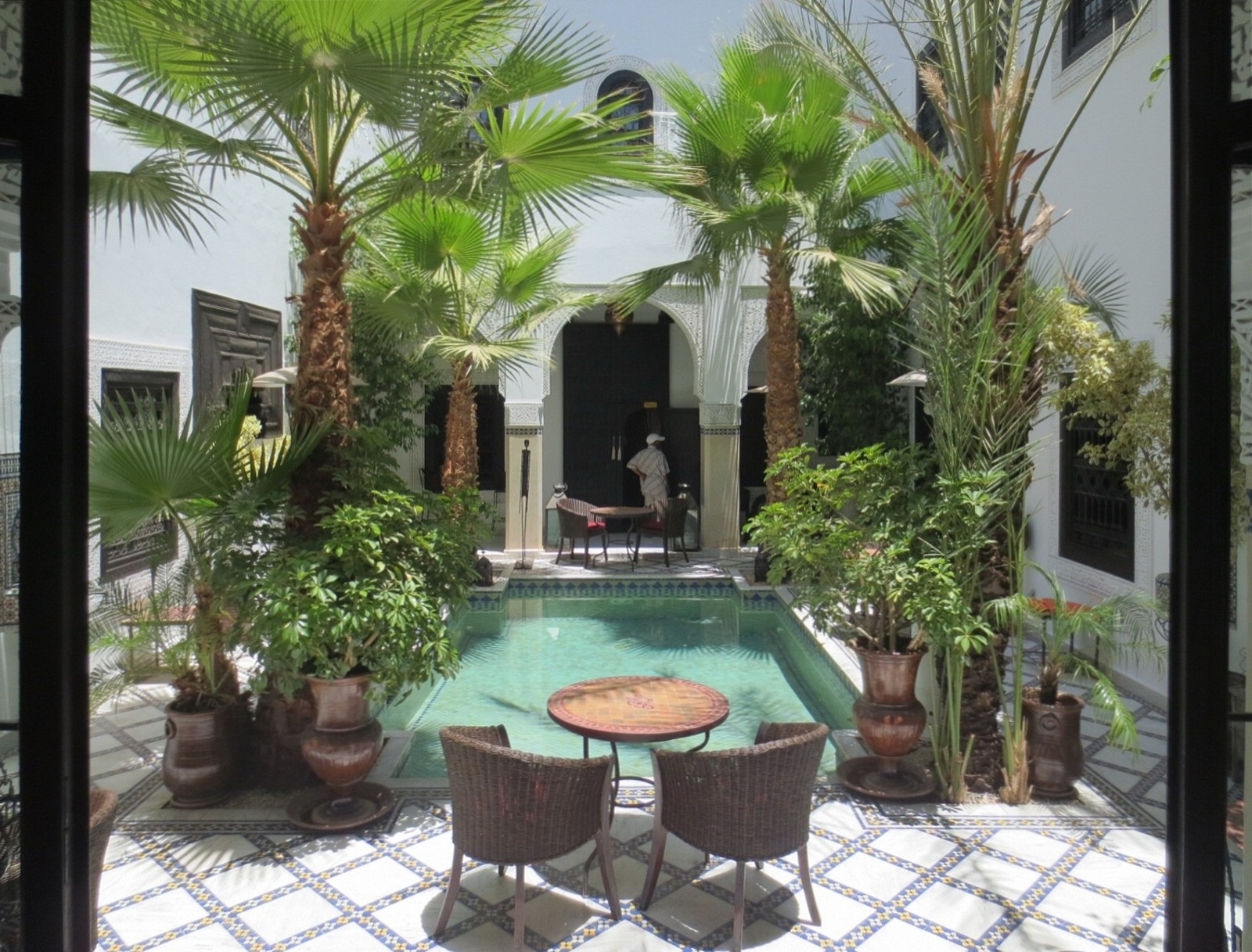 Marrakech Rooftops & Riad Dining: Which Are Worth ItMarrakech sells you the view, but the food behind it ranges from excellent to view-tax. An honest guide to the rooftops and riad dinners worth booking, and which you're paying for the terrace.
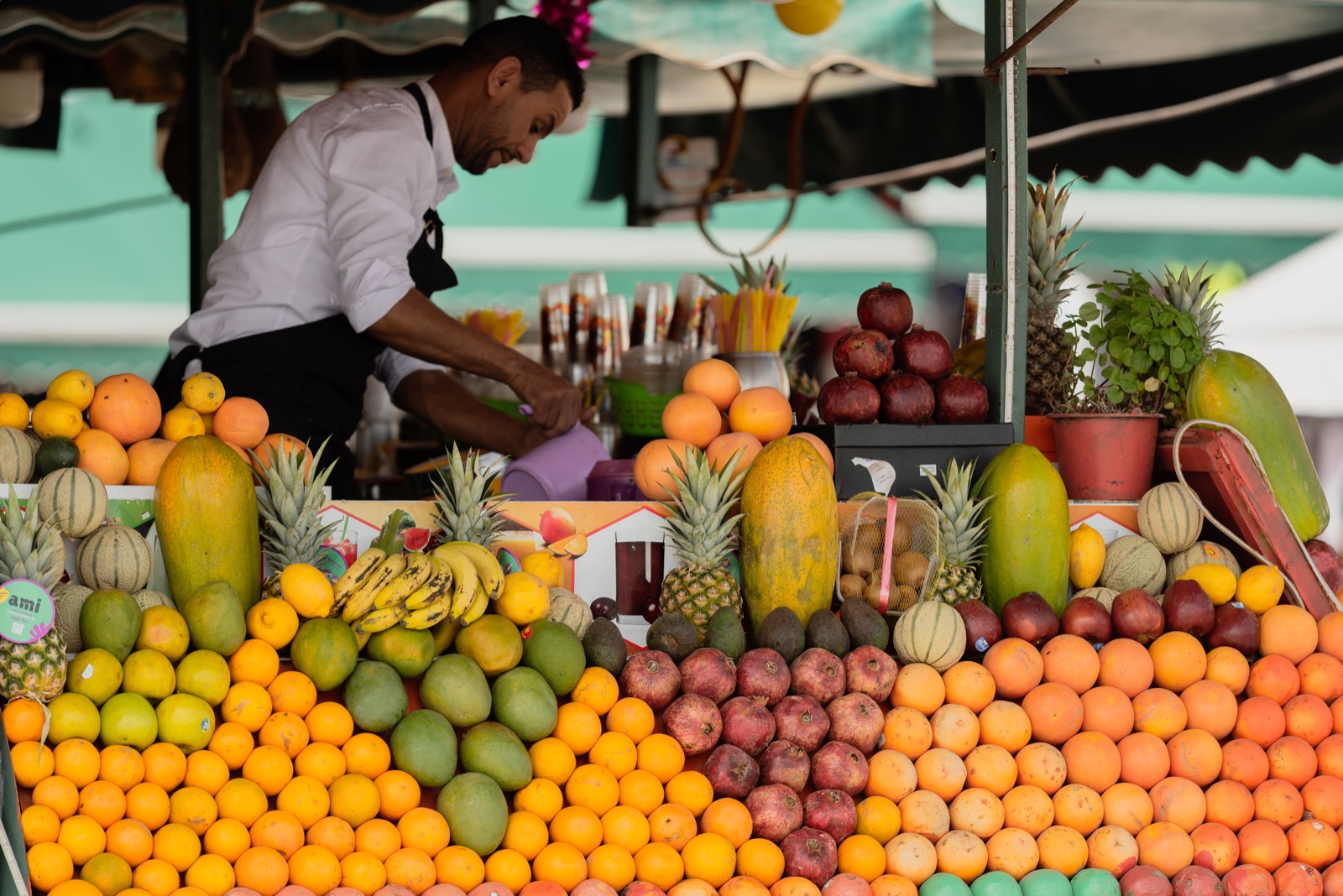 The Souk Food Crawl: Eating Marrakech by DayJemaa el-Fnaa gets the night. The daytime souks are where Marrakech actually snacks. Here's a walking food crawl through the medina, what to order, and how to do it without paying the tourist price.
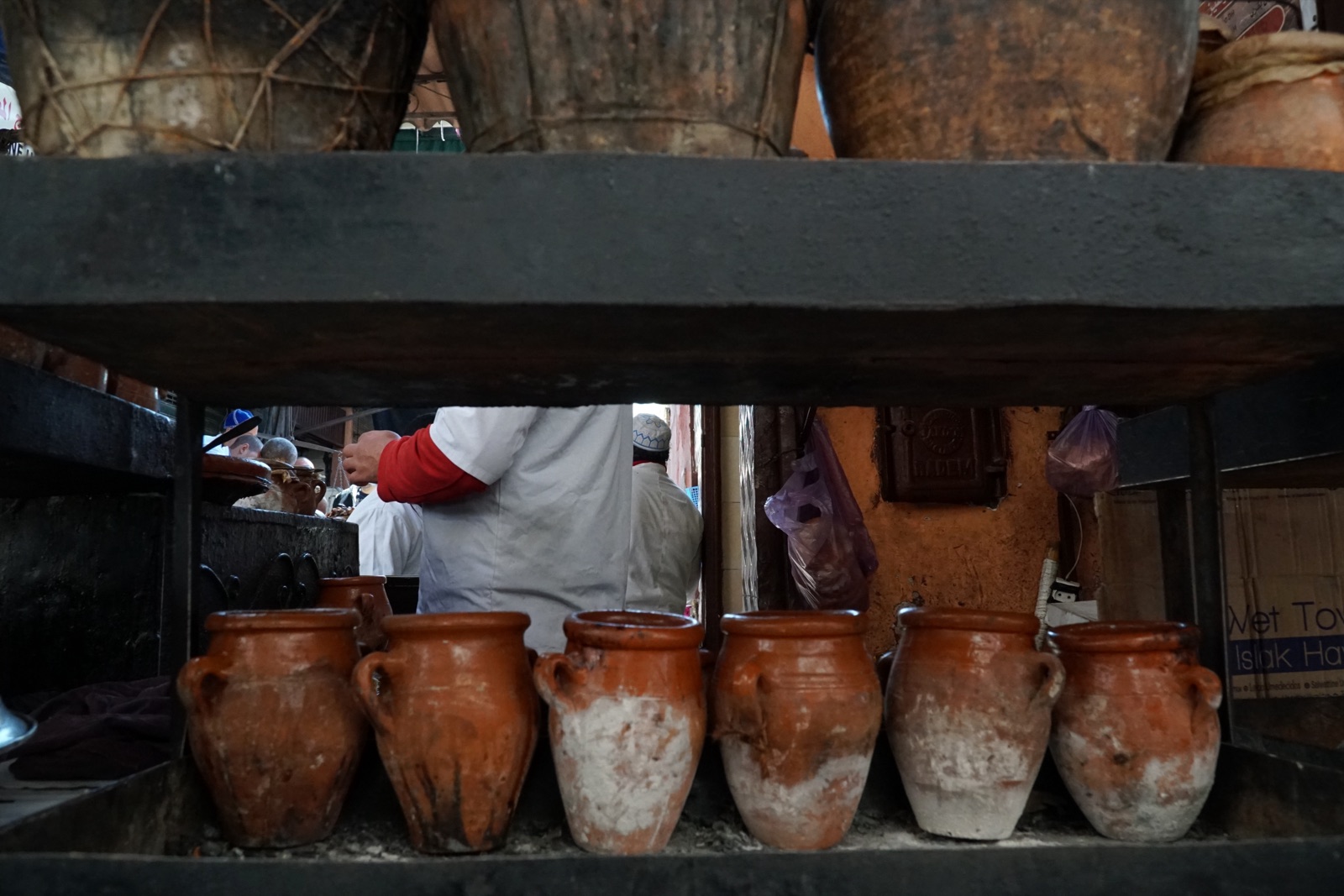 Tanjia vs Tagine: Marrakech's Two Slow-Cooked CrownsEveryone knows the tagine. Almost no visitor orders the tanjia, and that's the mistake. Here's what each dish actually is, how they differ, and where to eat the real versions in Marrakech.
Verified spots
Restaurant
Tanjia secrets
A local restaurant in Medina & Jemaa el-Fnaa.
Restaurant
Dar Yacout
A local restaurant in Medina & Jemaa el-Fnaa.
Café
Café des Épices
A local café in Medina & Jemaa el-Fnaa.
Addresses, categories and opening hours from Google Maps
Want one in your inbox?
We will email you a real one-day sample, free. It is our Cairo sample, in the same format every TastePass plan is delivered.
One per day. No card, no account.
Plan your Marrakech trip
Affiliate links, we may earn a small commission at no extra cost to you.
Some links in our guides may be affiliate links, see our affiliate disclosure.