Tokyo, Japan · verified food guide

Where to eat in Tokyo

Real, verified spots that locals love, with photos and Google Maps links. Free to browse, in clear Arabic and English.

1,947 verified spots

Tokyo food guides

All guides
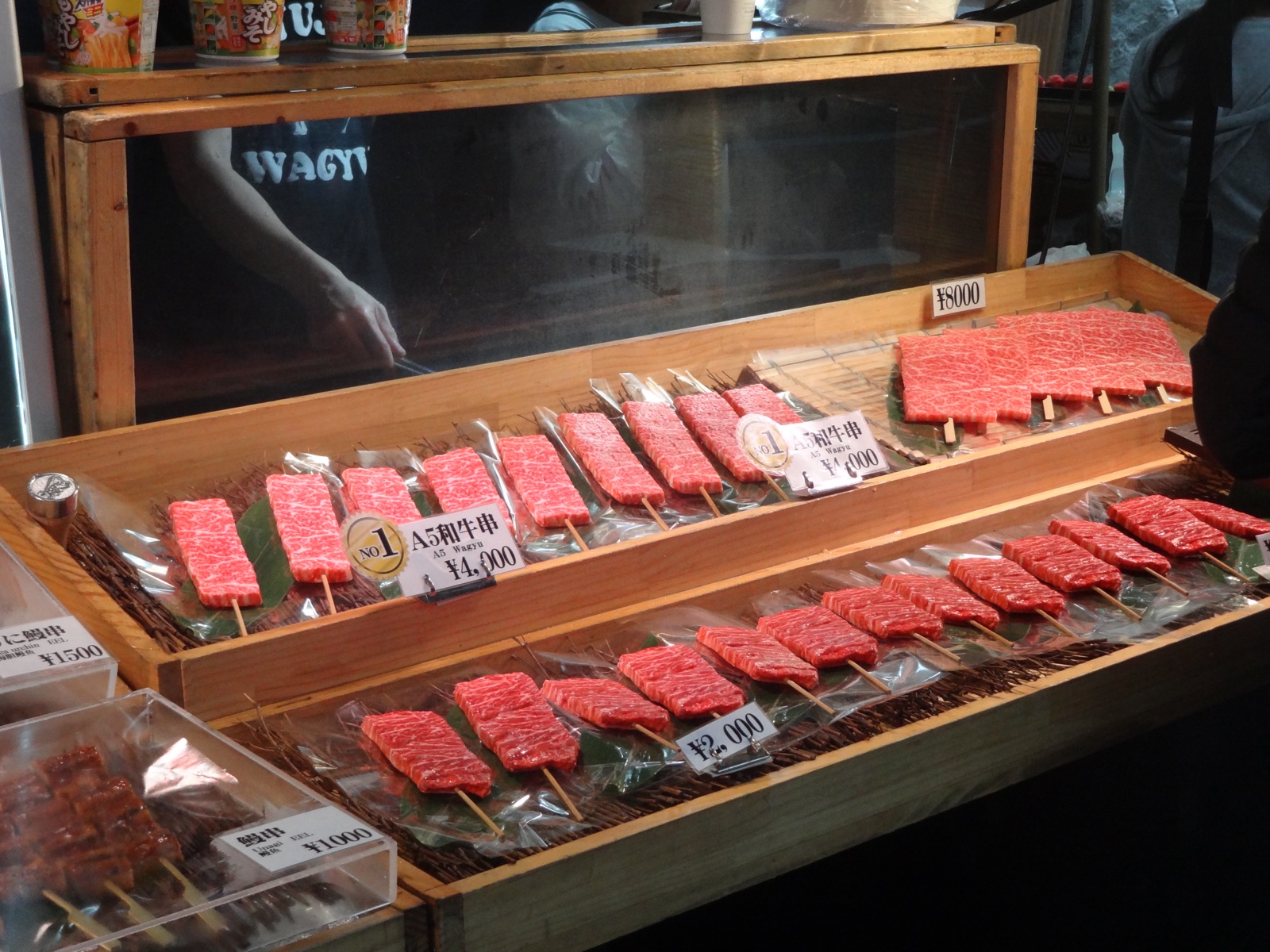
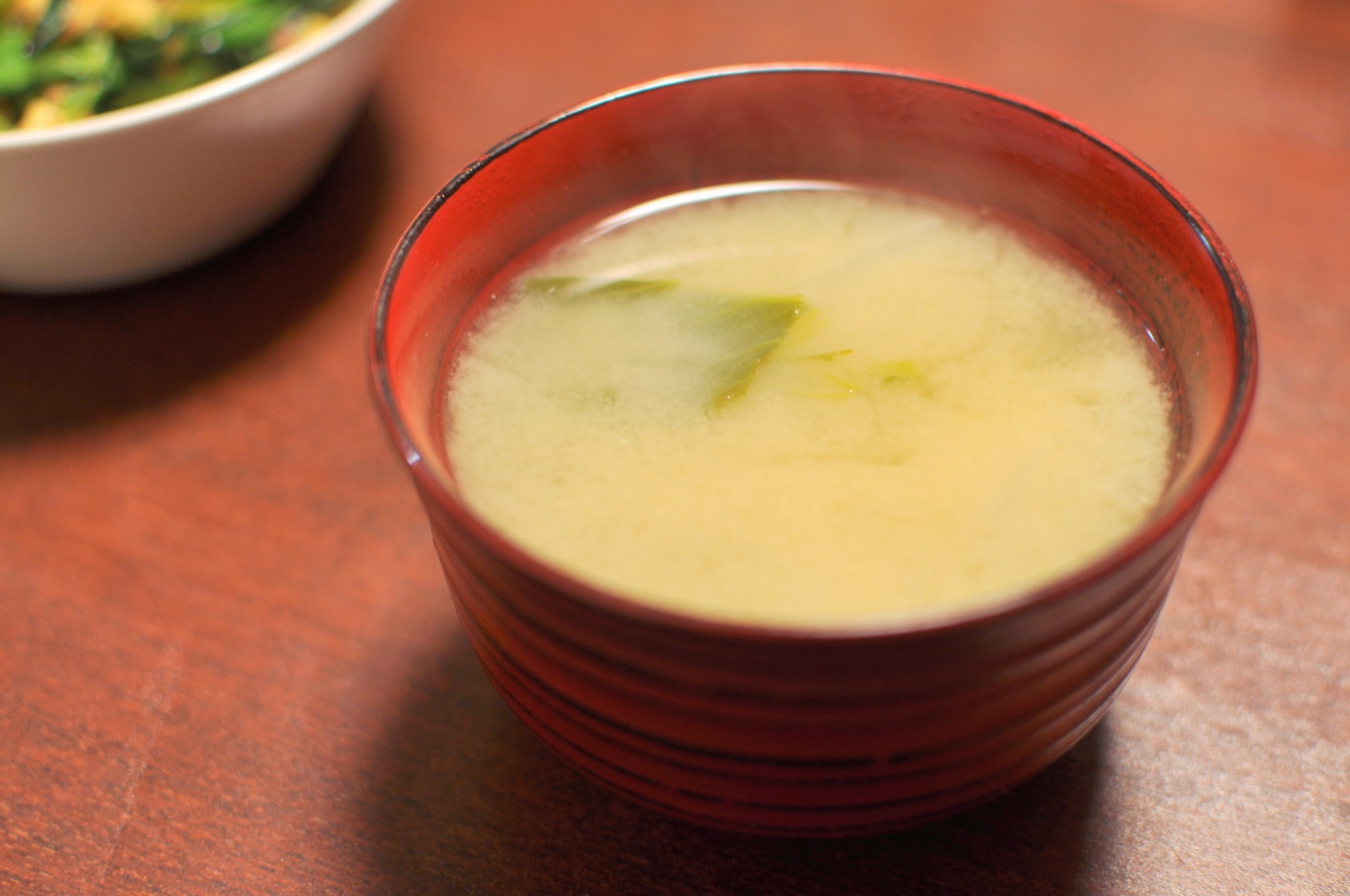
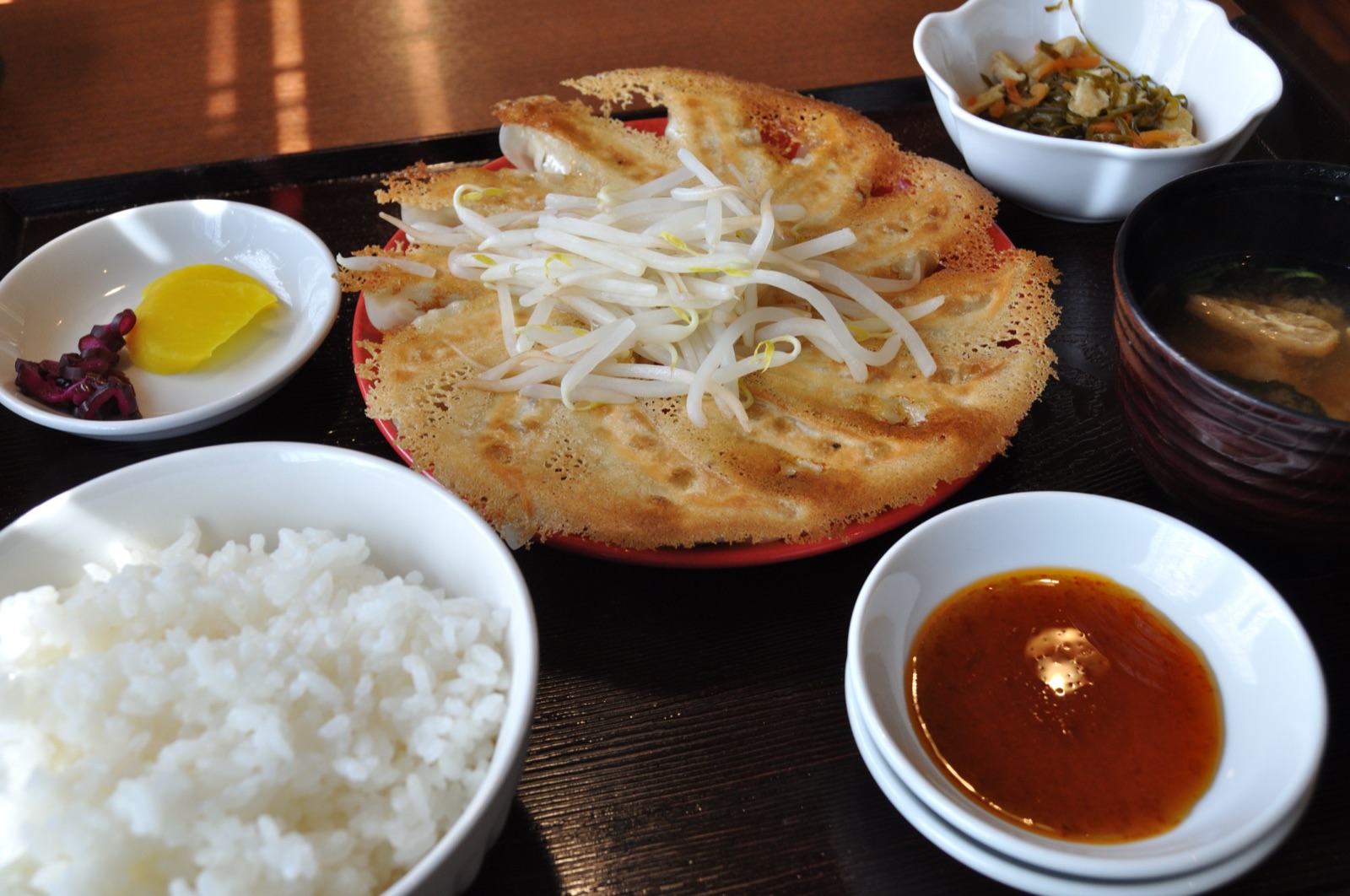
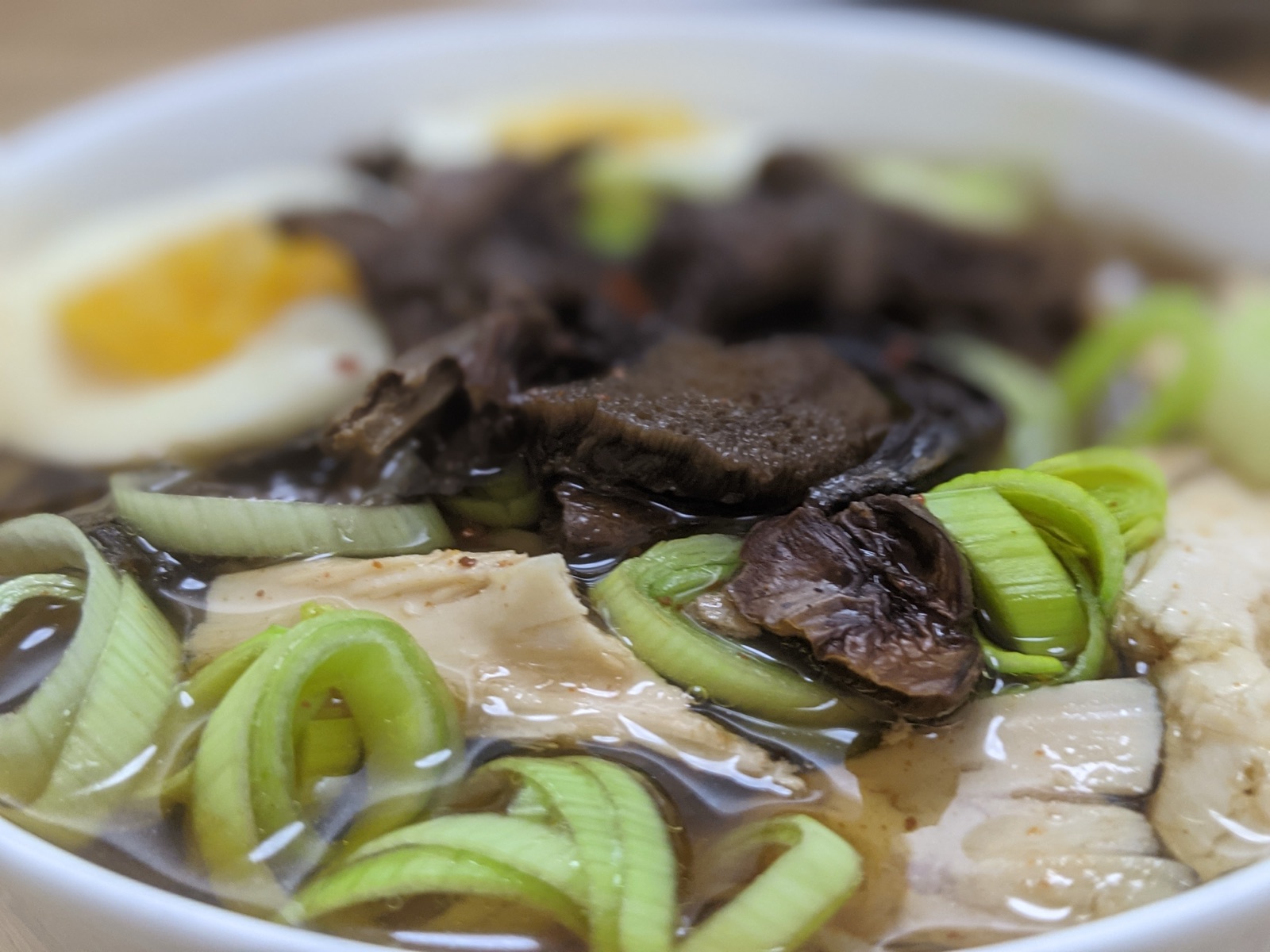
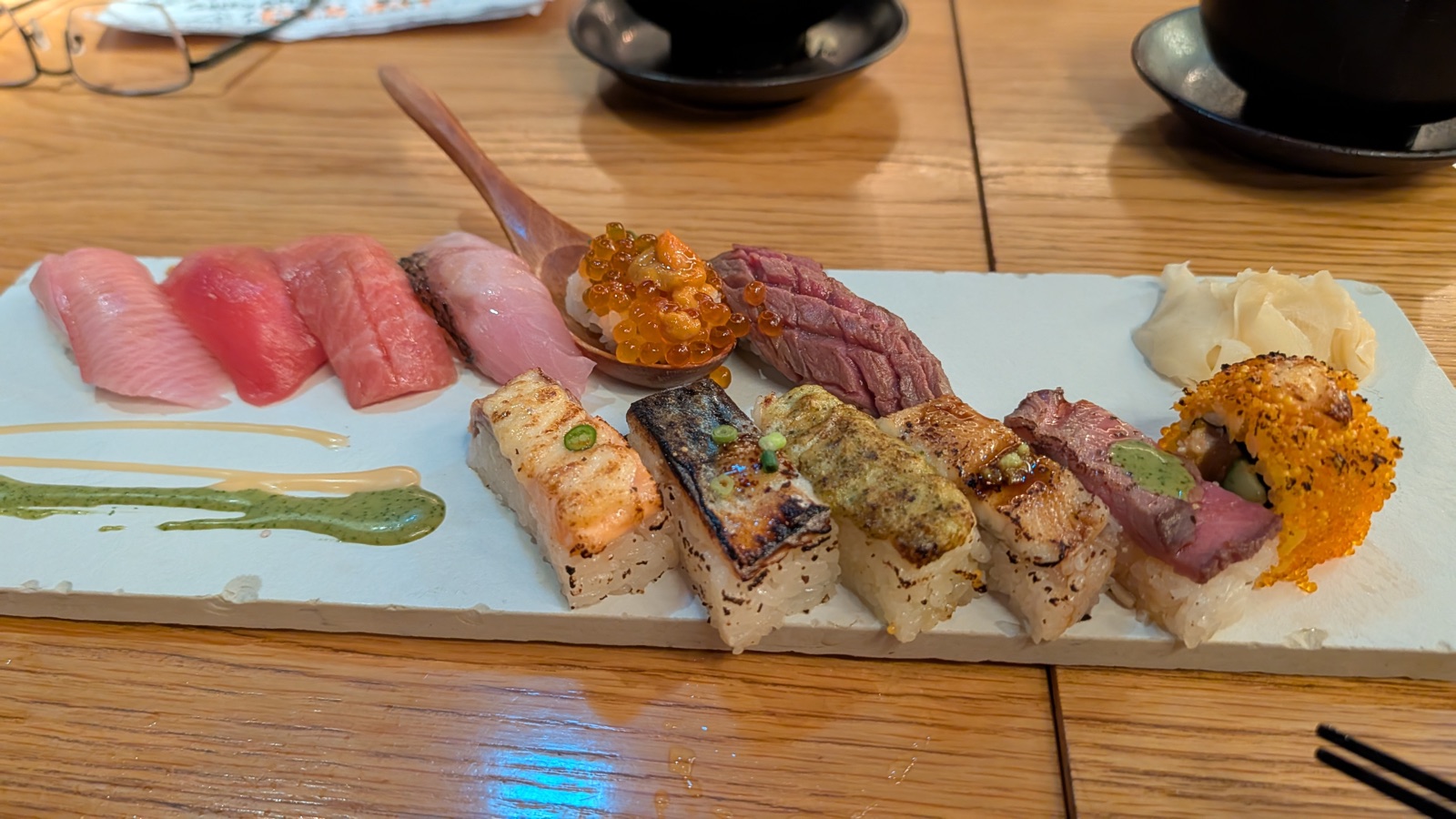
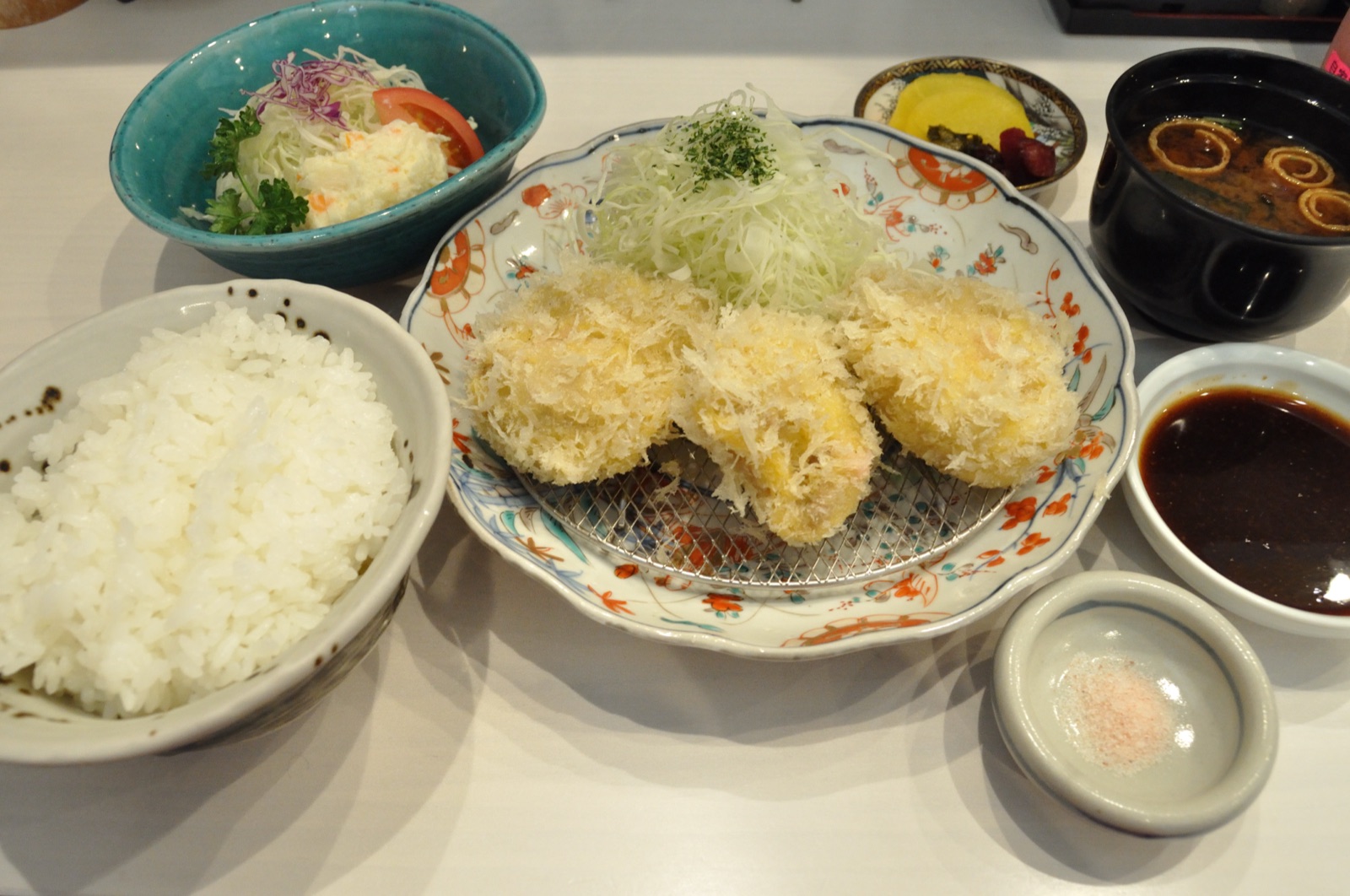
Halal Food in Tokyo: What to Eat, What to Ask, and Where to LookIs Japanese food halal? More navigable than ever, but pork, fish dashi, and cooking alcohol hide almost everywhere. The honest Tokyo guide: which dishes are safe, which to ask about, which to skip, plus the Muslim neighborhoods and what 'certified' really means in Japan.Does Mirin Have Alcohol? Teriyaki, Sushi Rice and Hidden SaucesDoes mirin have alcohol? Traditional hon-mirin is around 14% alcohol and hides in teriyaki, simmered dishes, eel sauce, and even sushi rice. Here's where it hides in Tokyo, the alcohol-free aji-mirin version, and both scholarly positions on cooked-off alcohol, presented fairly.Halal Wagyu in Tokyo: The Zero-Doubt Splurge and Sauce to AskHalal wagyu in Tokyo is a genuine strength, with halal-certified yakiniku, Kobe, and A5 beef from recognized bodies. The honest guide for halal travelers: where to look, why a non-halal grill's tare and shared grills are the catch, and to always confirm directly.Is Dashi Halal? The Fish Stock Hiding in Miso and Much MoreIs dashi halal? The fish in it is generally halal, so dashi is not a pork problem. The real flags are vegetarian and vegan (it makes vegetable dishes non-veg) and fish or shellfish allergies. Here's what's really in dashi and miso soup in Tokyo.Is Gyoza Halal? The Pork Filling and the Shared GriddleIs gyoza halal? Usually not. Standard Japanese gyoza is filled with pork, and even chicken or veg versions are pan-fried on the same griddle. Here's the honest answer for halal travelers in Tokyo, and what to confirm.Is Ramen Halal? Why Even Shoyu and Miso Bowls Are Usually PorkIs ramen halal? Usually no. Tonkotsu literally means pork bone, the broth and chashu are pork, and even shoyu and miso bowls are often pork-based. Here's the honest answer for halal travelers in Tokyo, and the chicken-broth swap.Is Sushi Halal? Watch the Eel Sauce, Imitation Crab and RiceIs sushi halal? Mostly yes. By the majority view sea creatures are halal, so plain fish nigiri and sashimi are generally fine. The honest watch-points for halal travelers in Tokyo: eel sauce, imitation crab, and mirin in the sushi rice.Is Tonkatsu Halal? Ton Means Pork, and the Chicken SwapIs tonkatsu halal? No. Ton means pig, so tonkatsu and katsu curry are breaded, deep-fried pork. Here's the honest answer for halal travelers in Tokyo, the chicken katsu swap, and why you still confirm the fryer and the curry roux.

Verified spots

Addresses, categories and opening hours from Google Maps

FAQ

Is Japanese food halal?

Much of it is adaptable rather than automatically halal. Pork is the default in ramen, gyoza, and tonkatsu, fish-based dashi is in most soups and simmered dishes, and cooking alcohol like mirin and sake is blended into many sauces. But plain fish sushi is generally fine, halal wagyu is a real Tokyo strength, and the city has 300+ halal-certified or Muslim-friendly options. Treat most cooked dishes as "ask first" unless you are at a certified or Muslim-run kitchen.

Is it hard to eat halal in Tokyo?

Less than it used to be. Head for Shin-Okubo's Islamic street, Asakusa, or near Tokyo Camii in Yoyogi-Uehara, use the Halal Gourmet Japan or Halal Navi apps to check certification, and learn two questions: "buta-niku nashi" (no pork) and whether the dish contains mirin or sake.

What does halal certification mean in Japan?

There is no single central authority. Certification is handled by private NPOs, religious organizations, and mosque-affiliated bodies, and standards vary by certifier. The most internationally recognized is the NPO Japan Halal Association. So distinguish certified (third-party audited) from Muslim-friendly (avoids pork and alcohol but may lack certification) from self-declared (the owner's word), and confirm directly.

Which Japanese dishes are safe by default?

Plain fish sushi and sashimi are generally fine by the majority view that sea creatures are halal, though you should watch the eel sauce, imitation crab, and any mirin added to the rice. Halal-certified wagyu and yakiniku are a genuine zero-doubt option. Tempura batter itself is usually fine, but confirm the oil and the dipping sauce.

Which Japanese dishes should I be most careful with?

Ramen and tonkatsu. Ramen is built on pork bone broth and topped with pork chashu, and even shoyu or miso bowls are usually pork-based. Tonkatsu literally means pork cutlet. Both are "skip unless halal-run," though halal chicken-broth ramen and chicken katsu swaps do exist.

Is mirin a problem in Japanese cooking?

It is the most common hidden non-halal element. Traditional mirin is roughly 14% alcohol and is used widely in teriyaki, simmered dishes, and sauces. Scholars differ on cooked-off alcohol, so we present both positions and point you to alcohol-free aji-mirin versions and certified or Muslim-run kitchens.