Halal Food in Rome: A Gulf Traveler's Guide to Eating Without Doubt

Rome is one of the world's great food cities — and also a city built on pork and wine. Guanciale (cured pork cheek) is in its three most famous pastas. Wine deglazes half the meat dishes. Lard hides in some bakery dough. For a Muslim or Gulf traveler, the problem in Rome isn't finding food — it's knowing which "harmless" plate has a hidden ingredient.

This guide fixes that: the Roman dishes you can enjoy with confidence, the exact traps to watch, what to say to order around them, and the best Muslim-friendly restaurants by neighbourhood.

Can you eat halal in Rome?

Yes — easily, once you know the map. Rome has a solid cluster of halal and Middle-Eastern restaurants (Egyptian, Tunisian, Lebanese, Syrian, Moroccan, Pakistani-Italian), and a long list of traditional Italian dishes that are naturally pork-free and alcohol-free. The skill is steering toward the safe classics and away from the few famous traps.

> A note on "halal" in Rome: most Muslim-friendly spots here are Muslim-owned or halal-marketed rather than formally certified. Where it matters to you, ask the staff directly — the phrases at the end of this guide make that easy.

The Roman classics you CAN enjoy (pork-free, alcohol-free)

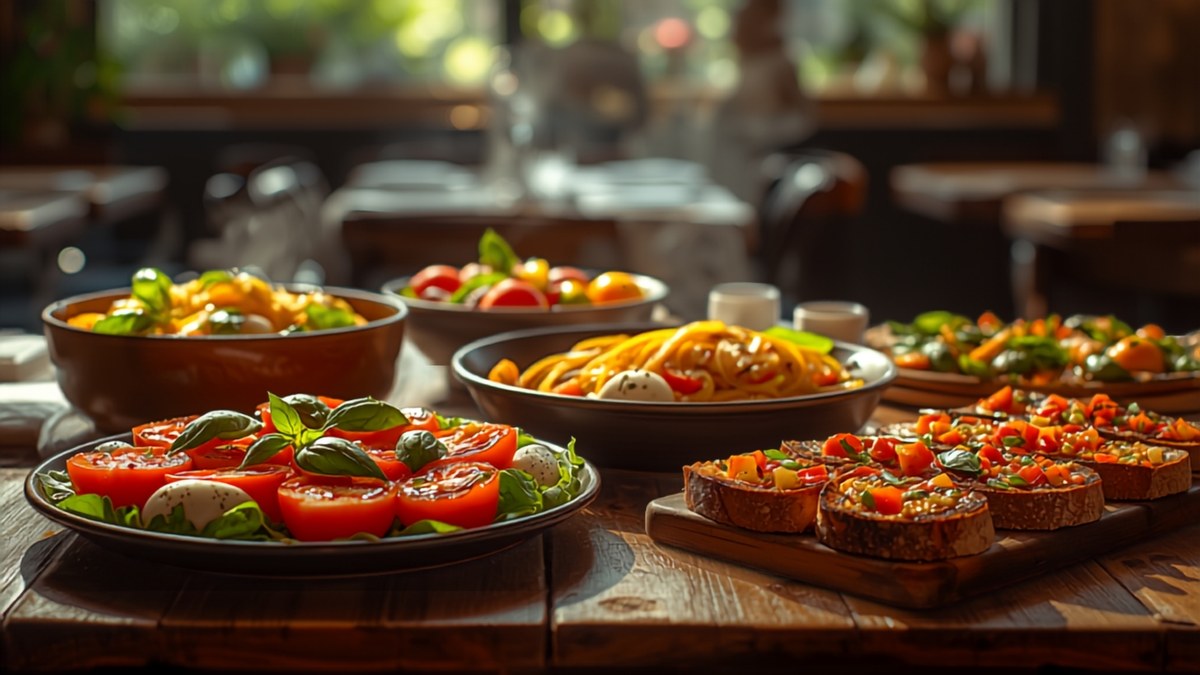
These are traditional, beloved, and safe by default — order them anywhere with confidence:

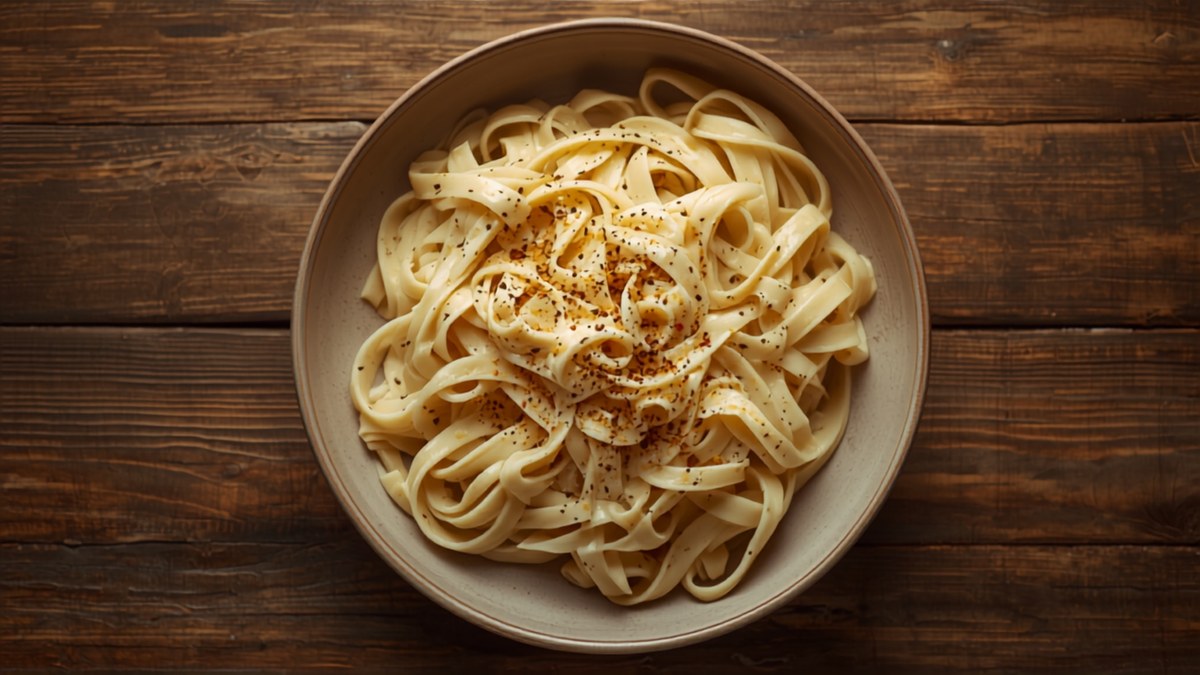
  • Cacio e Pepe — pasta with pecorino cheese and black pepper. No meat, no alcohol. (If you avoid animal rennet for strict reasons, ask about the cheese; it's not a pork/alcohol issue.)
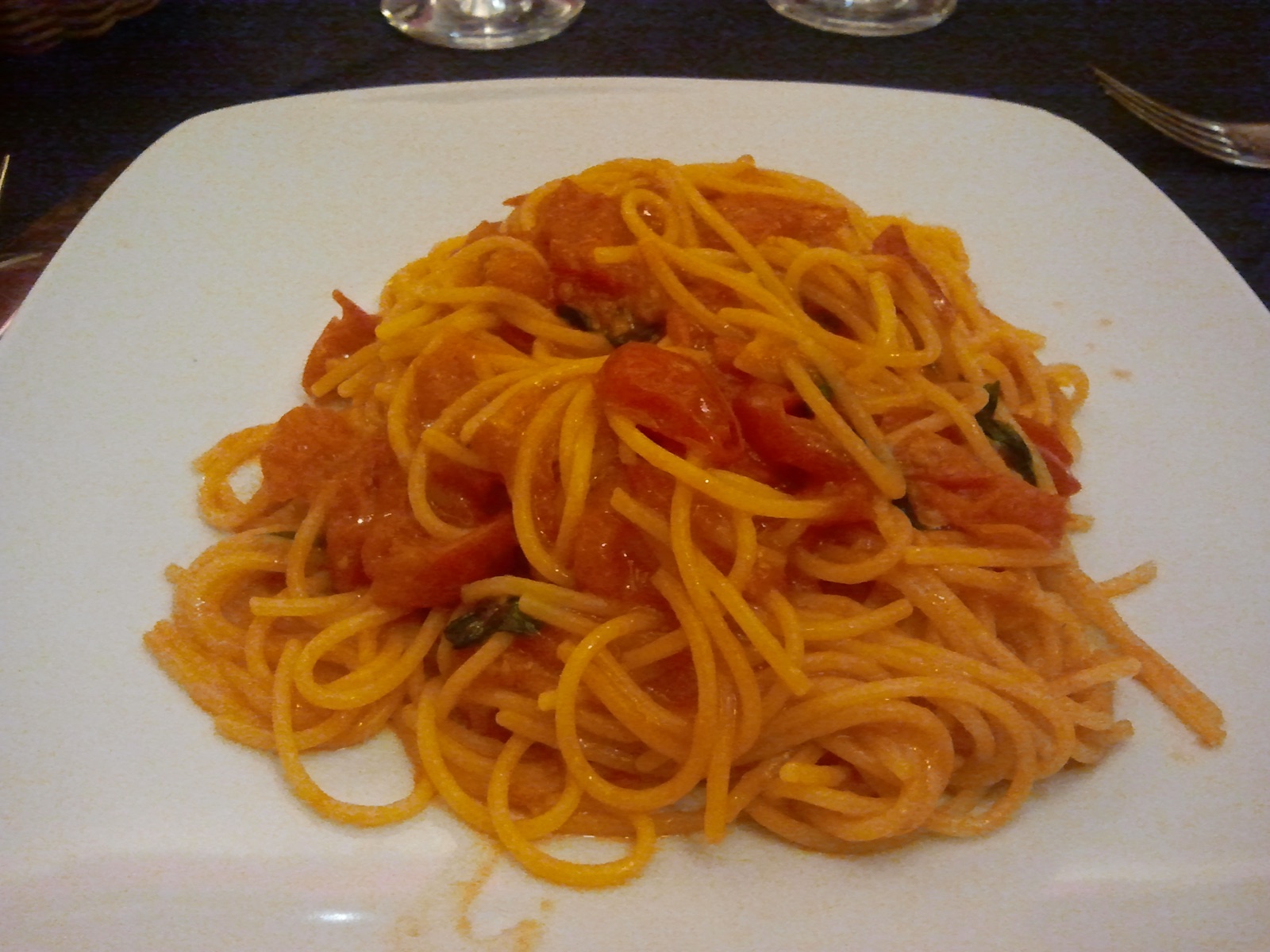
  • Pasta al Pomodoro — tomato and basil. The safest plate in Rome.
  • Penne all'Arrabbiata — tomato, garlic, chilli. Pork-free, vegan-friendly.
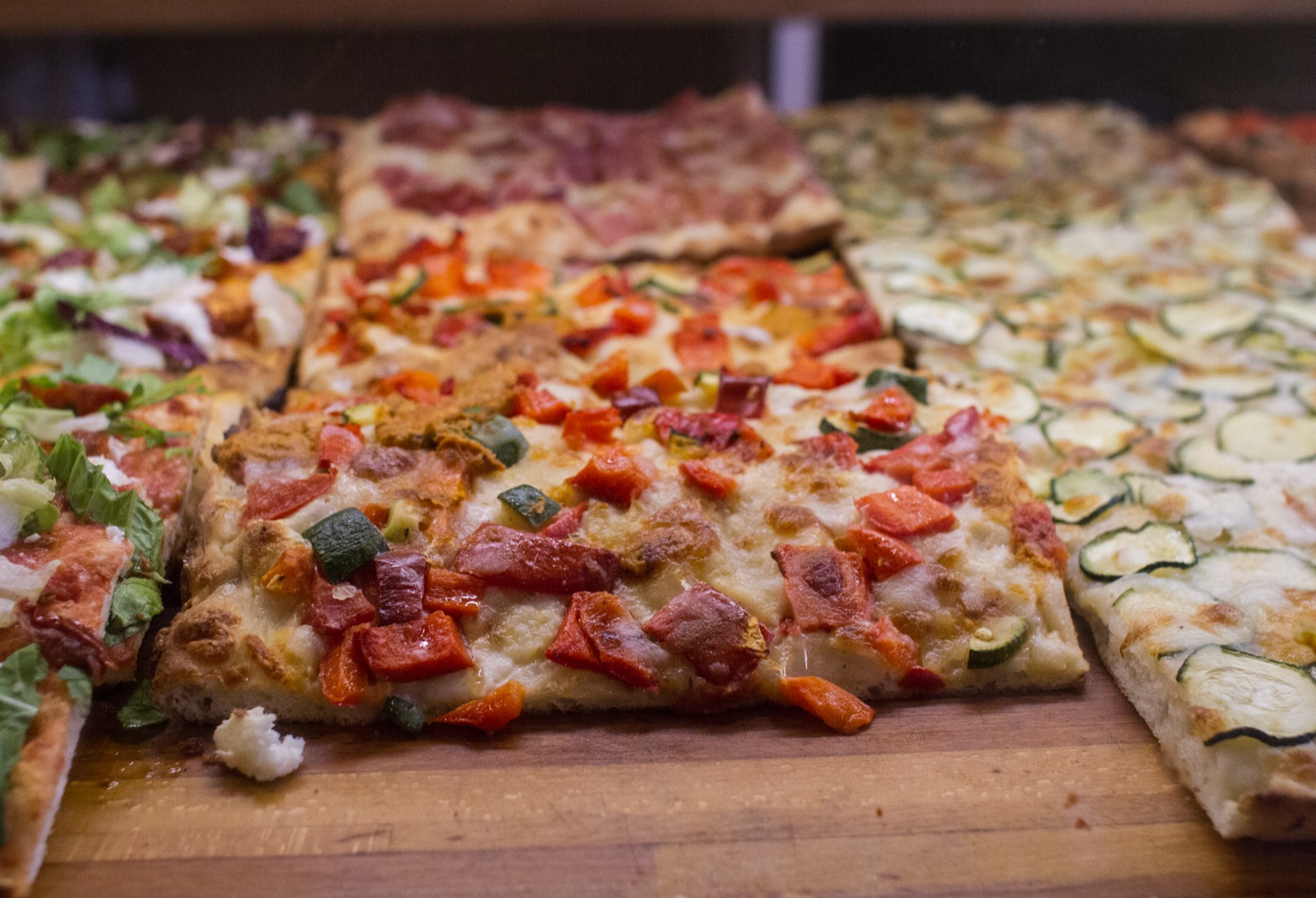
  • Pizza Margherita / Pizza Marinara — tomato, mozzarella, basil / tomato, garlic, oregano. Classic and safe.
  • Carciofi alla Romana — braised Roman artichokes (a spring specialty).
  • Grilled fish & seafood — naturally pork-free; Rome does excellent seafood (watch the shellfish lens if relevant).
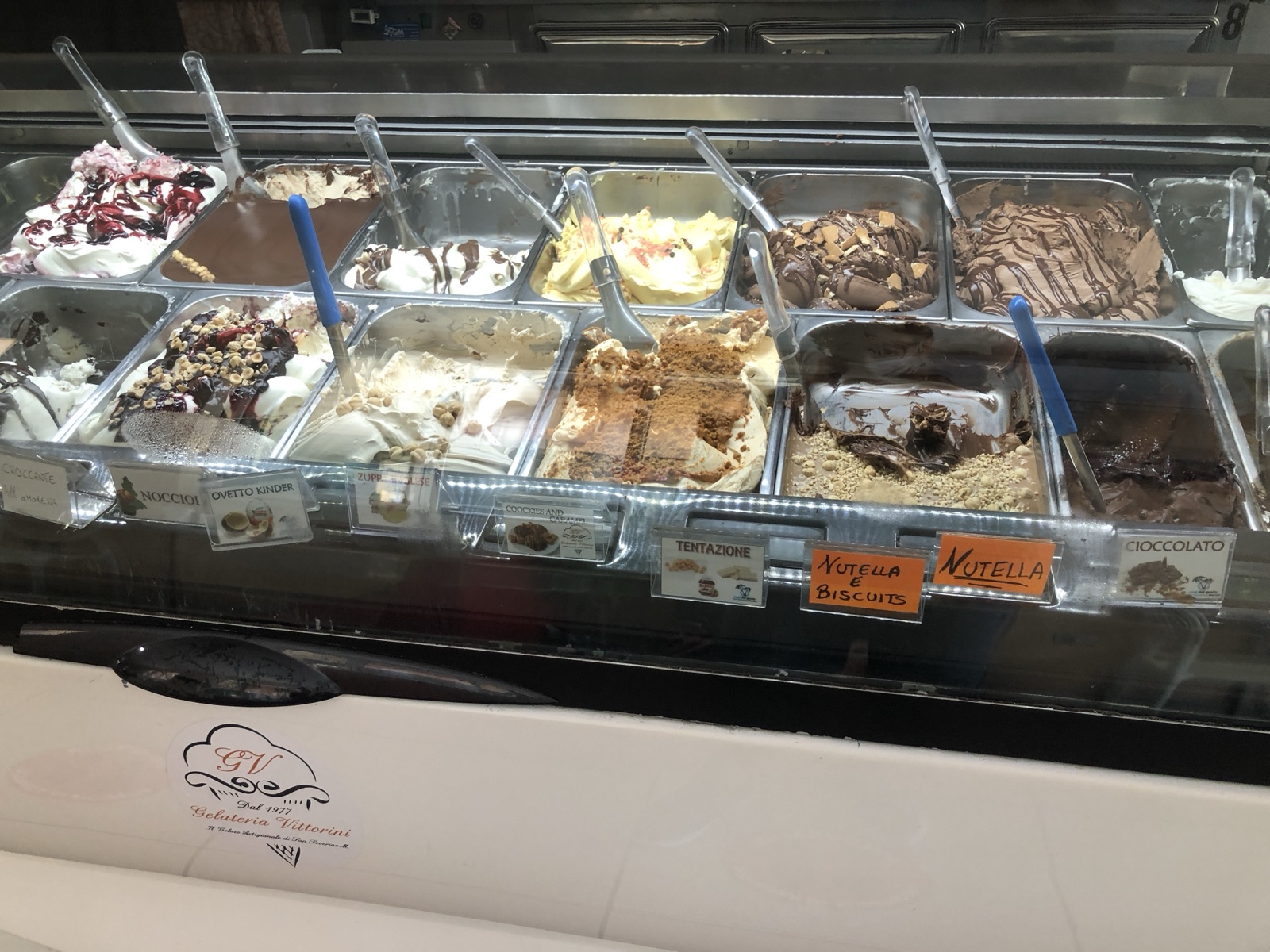
  • Gelato — generally safe; see the note below on alcohol/gelatin flavours.

The hidden traps (and how to order around them)

This is where most travelers get caught. Each of these looks fine:

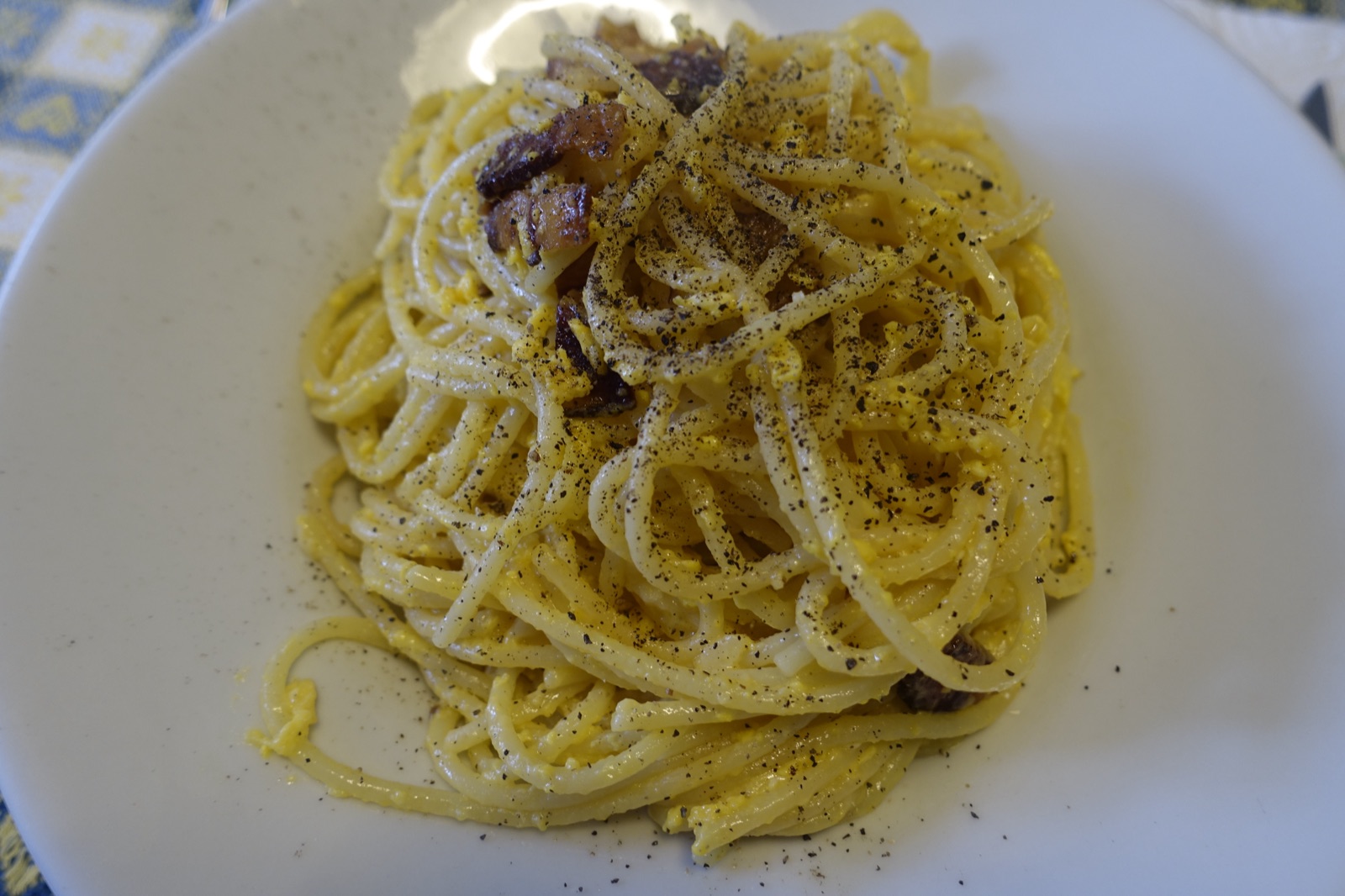
  • Spaghetti alla Carbonara, Bucatini all'Amatriciana, Pasta alla Gricia → all contain guanciale (pork). Avoid, or ask for the pork-free Roman pastas above.
  • Saltimbocca alla Romana → wraps veal in prosciutto (pork) and is usually deglazed with white wine.
  • Pizza Bianca / some bakery dough → authentic versions use olive oil, but some bakeries add strutto (pork lard). Ask before buying.
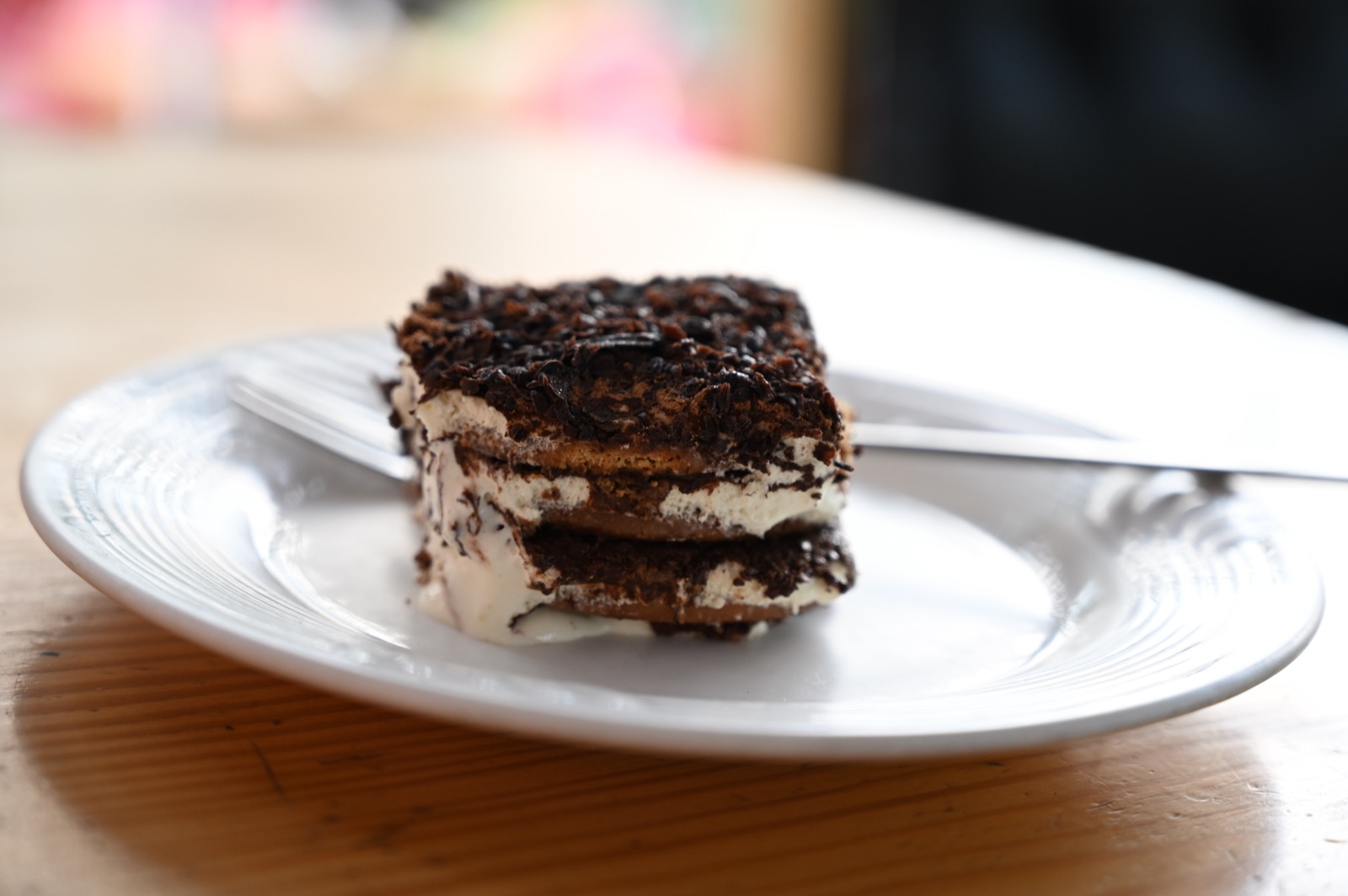
  • Tiramisu → frequently spiked with Marsala wine or rum (the original recipe has none — so it's common but not guaranteed). Ask.
  • Risotto & many meat sauces → often built on wine (and sometimes meat broth). Ask how it's made.
  • Parmigiano / Pecorino → made with animal rennet — a concern for strict-vegetarian and some observant diners (not a pork/alcohol issue for the halal lens).

This per-dish, hidden-ingredient detail is exactly what generic travel apps miss.

Best Muslim-friendly & Middle-Eastern restaurants in Rome (by area)

A starting shortlist of well-rated, halal-marketed or Middle-Eastern venues, grouped by where you're likely to stay or sightsee. (Ratings are point-in-time Google figures; confirm halal status on-site.)

Near the Vatican / Prati

  • Habibi Tunisian Cuisine — Tunisian, highly rated, walkable from St. Peter's.
  • Dar Basha — Moroccan & Middle-Eastern, a more upscale sit-down option.

Centro Storico (Pantheon / Navona / Campo de' Fiori)

  • Bismillah Halal Food Chicken Hut — halal, very popular (2,000+ reviews), steps from Piazza Navona — handy for a quick, certain-halal meal in the tourist core.

Spanish Steps / Tridente

  • Thousand and One Nights — Lebanese, sit-down, near Via Veneto.

Monti / Termini

  • PERI PERI GRILL — halal grill, casual and quick.
  • Halal Food Italiano (Via Cavour) — halal takes on Italian near the Colosseum side.

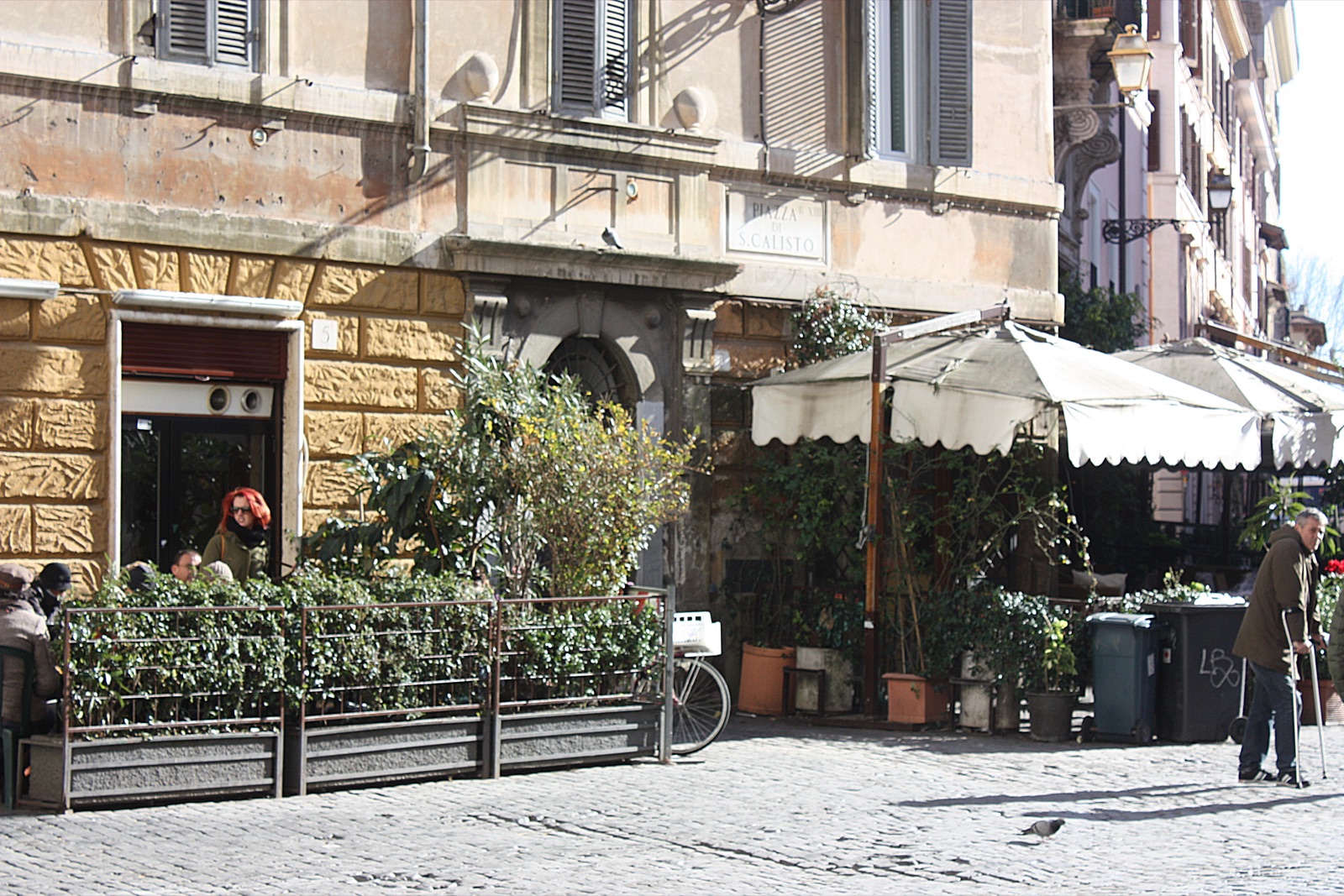
Trastevere

  • Aqla — Middle-Eastern street food — top-rated quick bites.

Testaccio / Ostiense

  • Hummustown — Syrian/Arab, excellent and warm-hearted (a social-enterprise kitchen).

What to eat near the big sights

  • Colosseum / Monti: halal grills around Termini, or pork-free Roman pasta at a trattoria (order cacio e pepe or pomodoro).
  • Vatican / St. Peter's: Habibi or Dar Basha for halal; or pizza margherita at the Prati pizzerias.
  • Trevi / Pantheon: Bismillah for certain-halal; gelato at the famous Centro gelaterie.
  • Trastevere evening stroll: Aqla for street food, then gelato.

Gelato, coffee & breakfast

  • Gelato is generally fine, but a few flavours use alcohol or liqueur (rum, zabaione, Baileys-style) and a small number use gelatin — ask "senza alcol?" if unsure.
  • Breakfast in Rome is light: a cornetto (croissant) and cappuccino at a bar. Most cornetti are butter-based, but ask if you avoid lard.
  • Coffee is always safe — and a standing espresso at the bar is the local way.

Order like you know the city — useful Italian phrases

  • "Questo contiene alcol o maiale?" — Does this contain alcohol or pork?
  • "Senza vino, per favore." — Without wine, please.
  • "C'è strutto nell'impasto?" — Is there lard in the dough?
  • "Avete piatti senza carne di maiale?" — Do you have dishes without pork?
  • "Questo gelato contiene alcol?" — Does this gelato contain alcohol?

FAQ

Is carbonara halal? No — traditional carbonara contains guanciale (cured pork). Choose cacio e pepe or pasta al pomodoro instead.

Is there halal food near the Vatican? Yes — Habibi (Tunisian) and Dar Basha (Moroccan) are both walkable from St. Peter's.

Does tiramisu contain alcohol? Often — many versions use Marsala or rum, though the original recipe doesn't. Ask before ordering.

Can vegetarians eat well in Rome? Very well — pasta al pomodoro, cacio e pepe (ask about rennet), pizza margherita, artichokes, and most gelato.


A note on how we talk about food: venues above are Muslim-friendly or halal-marketed per their public listings — not certified-halal claims. Ingredients and preparation vary; always confirm directly with the venue.

<!-- CTA: the $9 itinerary call-to-action is injected automatically by the guides surface (top + bottom). Do NOT hand-write an inline CTA in the body — it would double up. -->

Is Carbonara Halal? What to Order (and Ask) in RomeTraditional carbonara is made with guanciale — cured pork. Here's the honest answer, the naturally pork-free Roman pastas to order instead, and exactly what to ask a Roman kitchen.Is Tiramisu Halal? The Marsala Problem (and What to Order Instead)Traditional tiramisu is often spiked with Marsala wine or rum — but not always. Here's the honest answer, what to ask in Rome, and the alcohol-free Roman desserts to order with confidence.12 Classic Italian Dishes That Are Naturally Pork-FreeYou don't have to live on kebab in Italy. These twelve beloved Italian classics are pork-free by default — plus the two or three to double-check for wine or broth.