FAQ
Is Seoul a good destination for Muslim travelers?
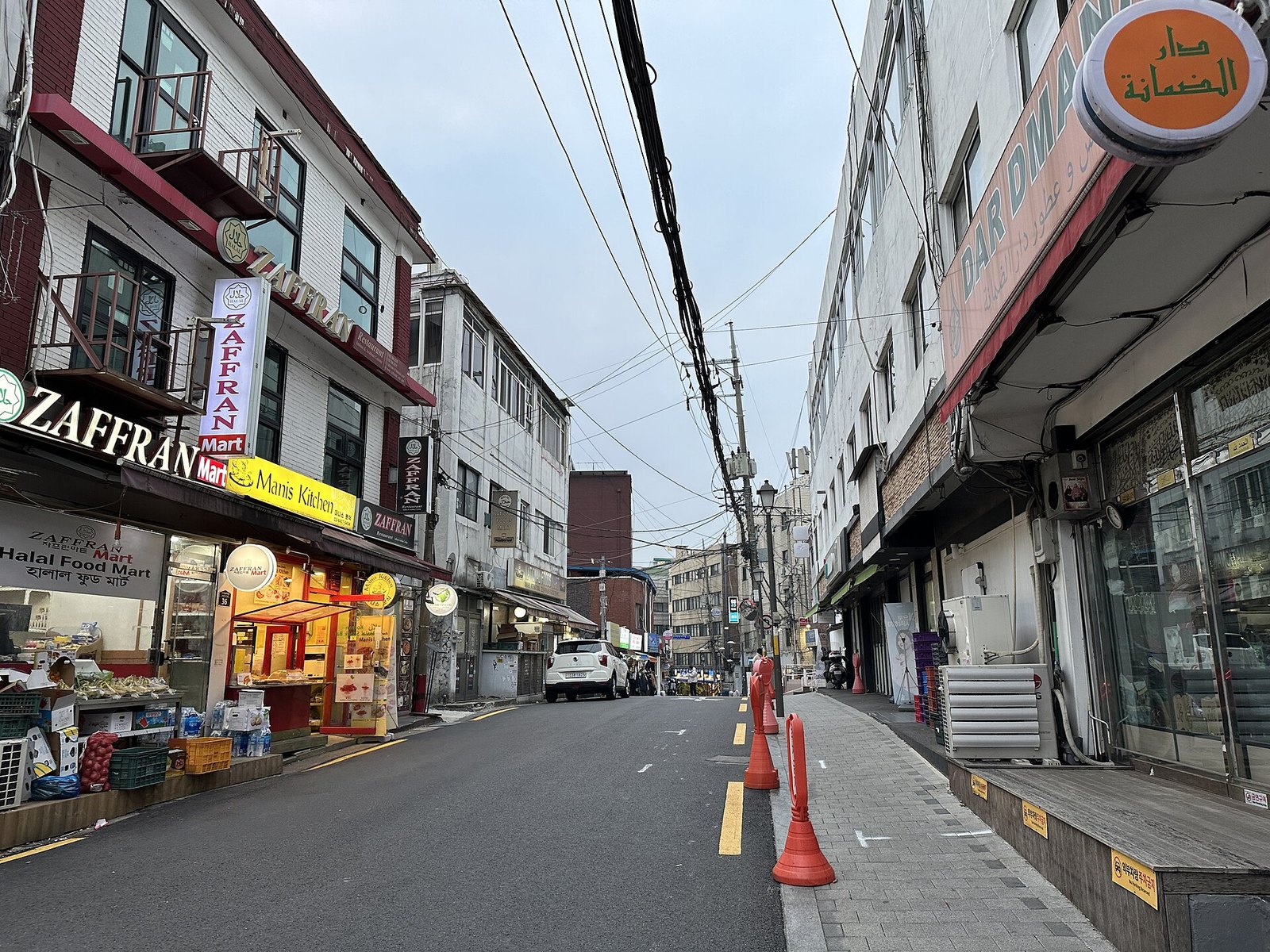
Yes, with planning. There is a settled halal food cluster around Seoul Central Mosque in Hannam-dong that dates back to the 1970s, prayer rooms at the airport and at some major attractions and malls, and a national tourism classification that labels restaurants by how they handle halal. The work is in reading the labels correctly and asking about broths and marinades, not in finding options at all.
What does the Korean halal certification look like?
The Korea Muslim Federation's mark is green line art on white: a mosque in outline with a central dome and two slender minarets, the Arabic word حلال inside the dome, small text reading Korea Muslim Federation Halal Committee, and HALAL in bold green capitals underneath. That is the one to learn. Note that the Halal Advancement Institute of Korea issues this KMF mark rather than a mark of its own, so its round blue and red crescent logo is an institutional identity, not a certificate, and some travel blogs present the two side by side as though both were certification marks. Other private Korean certifiers exist as well, including the Korea Halal Authority, whose badge carries KOREA HALAL in English, Korean and Arabic around a ring, and BIC Halal Korea. A window sign reading "Muslim friendly" is marketing language rather than a certification mark, so ask which body certified the kitchen and ask to see the current certificate.
What are the most common hidden ingredients in Korean food?
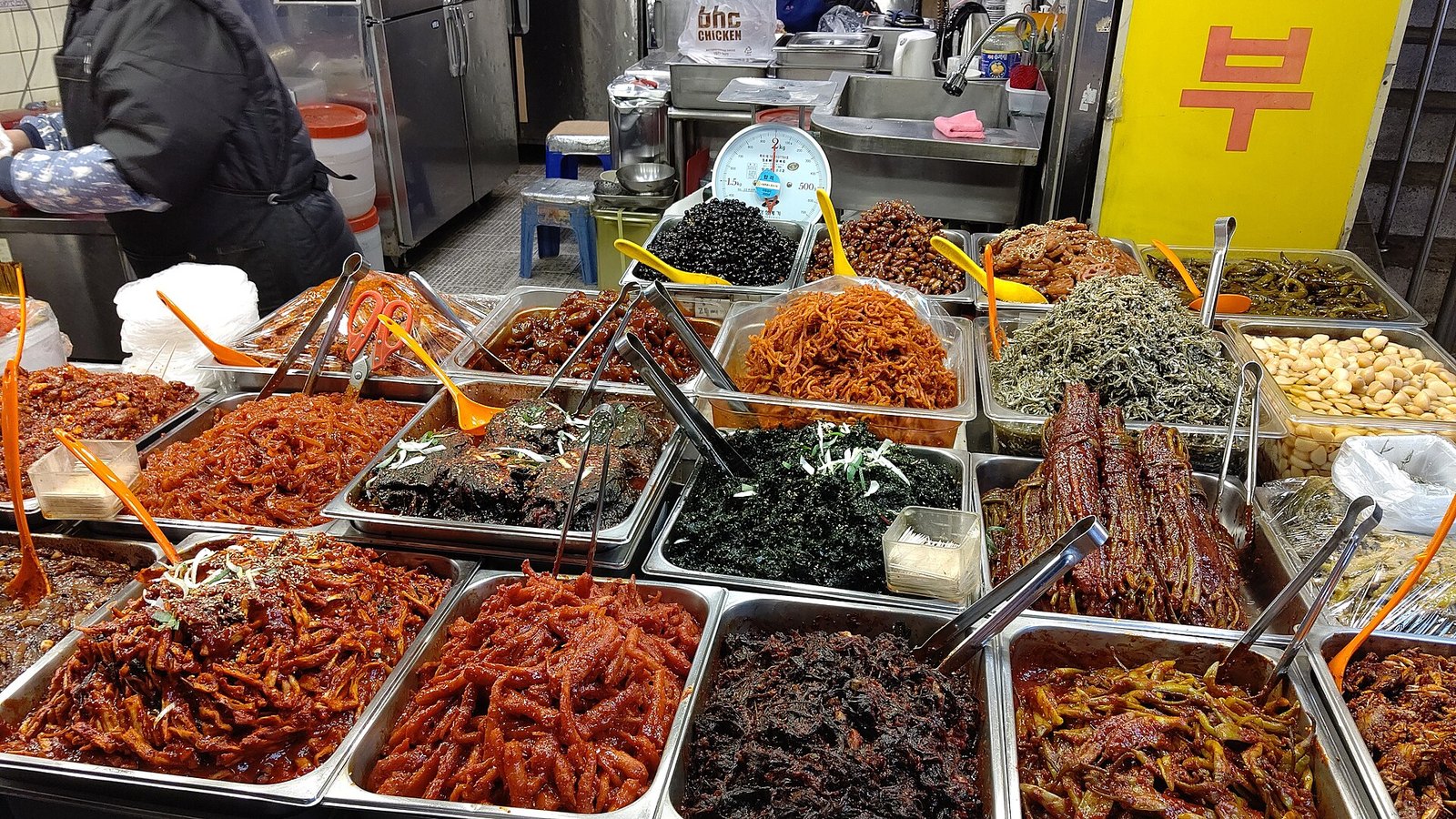
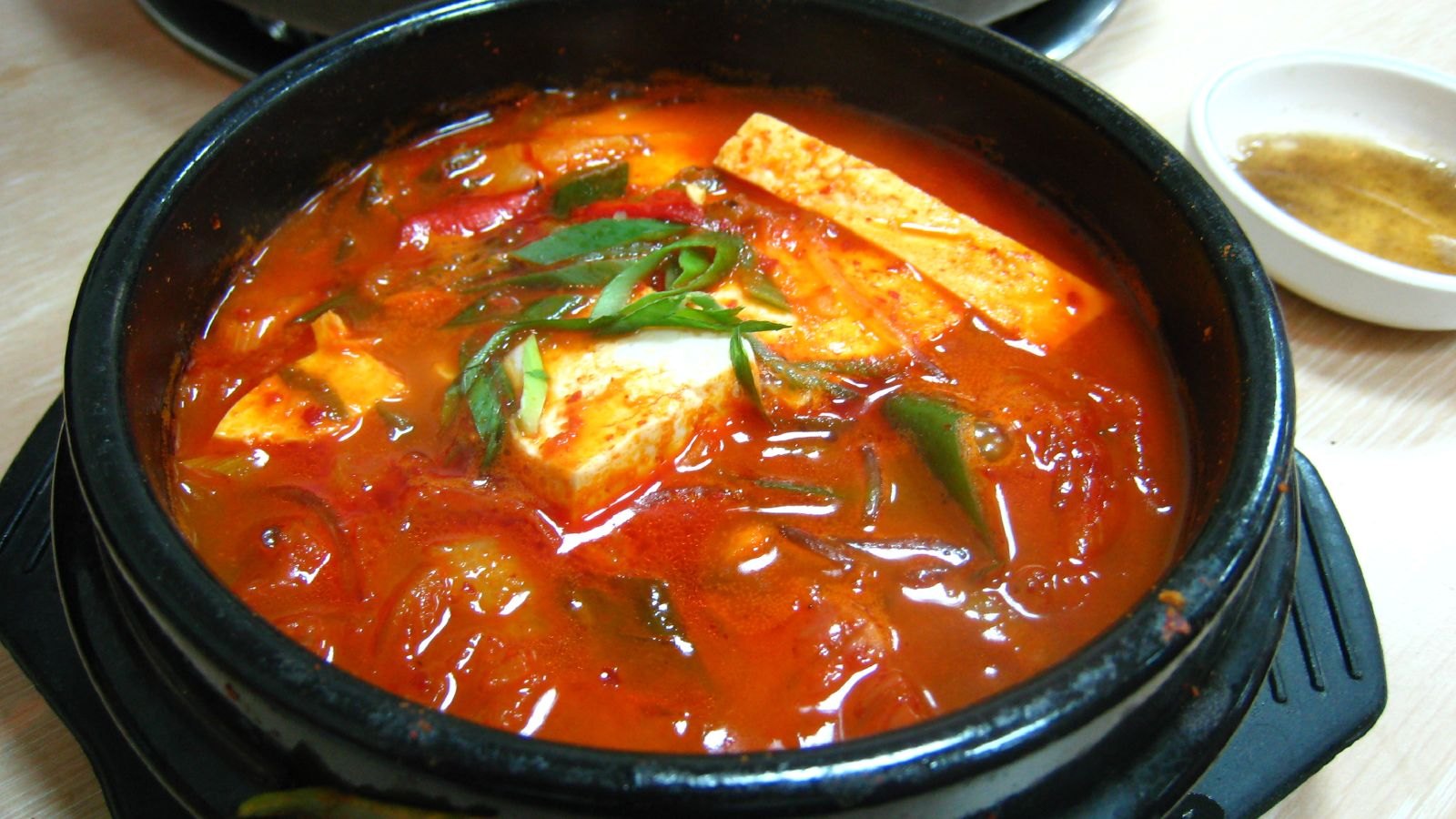
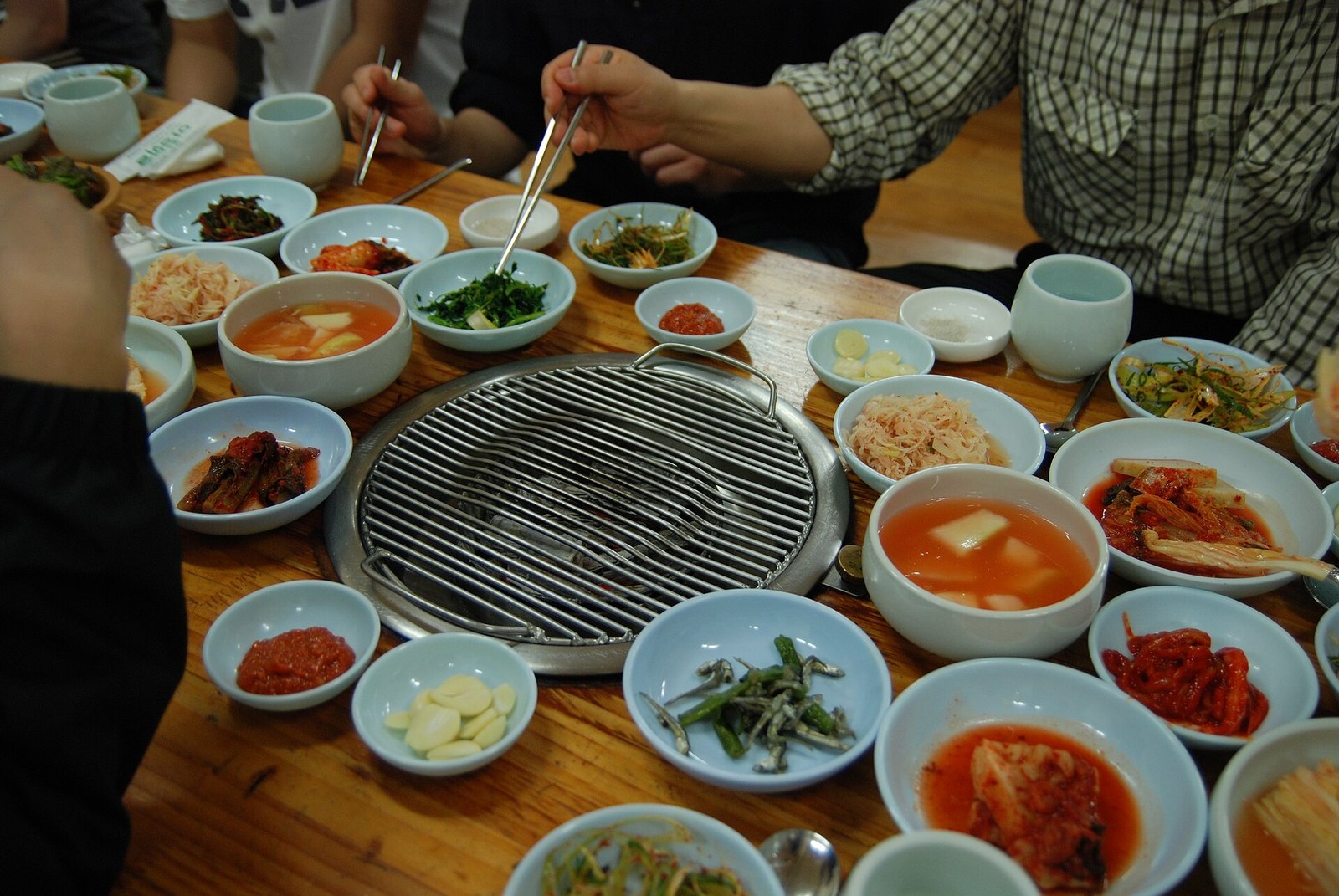
Pork stock in soups whose names mention no pork, salted fermented seafood in ordinary kimchi, anchovy and kelp broth as the default base for stews and even for rice cakes and steamed egg, and cooking rice wine in meat marinades such as bulgogi and galbi. All four are decisions made in the kitchen rather than items on a menu, which is why asking about the liquid works better than asking about the dish.
Is it hard to eat vegetarian in Seoul?
Harder than it looks, for the same reason. Anchovy and kelp stock is the traditional base for a great many everyday dishes, and jeotgal is a standard kimchi seasoning, so dishes that read as vegetable dishes often are not. Kelp-only stock is a normal Korean preparation, so requesting a kelp or vegetable base is a request kitchens understand. Korean temple cuisine is the one tradition built the other way, leaving out meat and jeotgal, and also leaving out garlic and the other alliums.
Will there be alcohol where I am eating?
Often, and it is worth expecting rather than being surprised by. Soju is the most popular Korean liquor and is sold in supermarkets, convenience stores and restaurants alike, and whole categories of venue exist around food eaten with drinks. The tourism board's own listings note that its Muslim Friendly and Pork Free tiers may sell alcohol, so at least that much is published rather than left for you to guess. The restaurants in the cluster around the mosque are oriented to Muslim customers, and cafes and dessert houses are an easy neutral setting.
Do I need to tip in Seoul?
No. Korea has no tipping culture, service is built into the menu price, and leaving money on the table causes confusion rather than pleasure. Payment is usually settled at a counter near the entrance rather than at your table.