FAQ
Is Thai food halal?
Much of it is adaptable rather than automatically halal. Pork and pork lard are common in mainstream Thai cooking, and fish sauce, shrimp paste, and dried shrimp turn up in many sauces, but most iconic dishes can be made without them, and Bangkok has real halal options. Treat dishes as "ask first" unless you are at a Muslim-run or CICOT-certified kitchen.
Is it hard to eat halal in Bangkok?
No, with a little planning. Head for Bang Rak, Ramkhamhaeng, or Soi Arab, look for the CICOT mark, and learn two phrases: "mai ao moo" (no pork) and "mai sai nam pla" (no fish sauce).
What Thai dishes are safe by default?
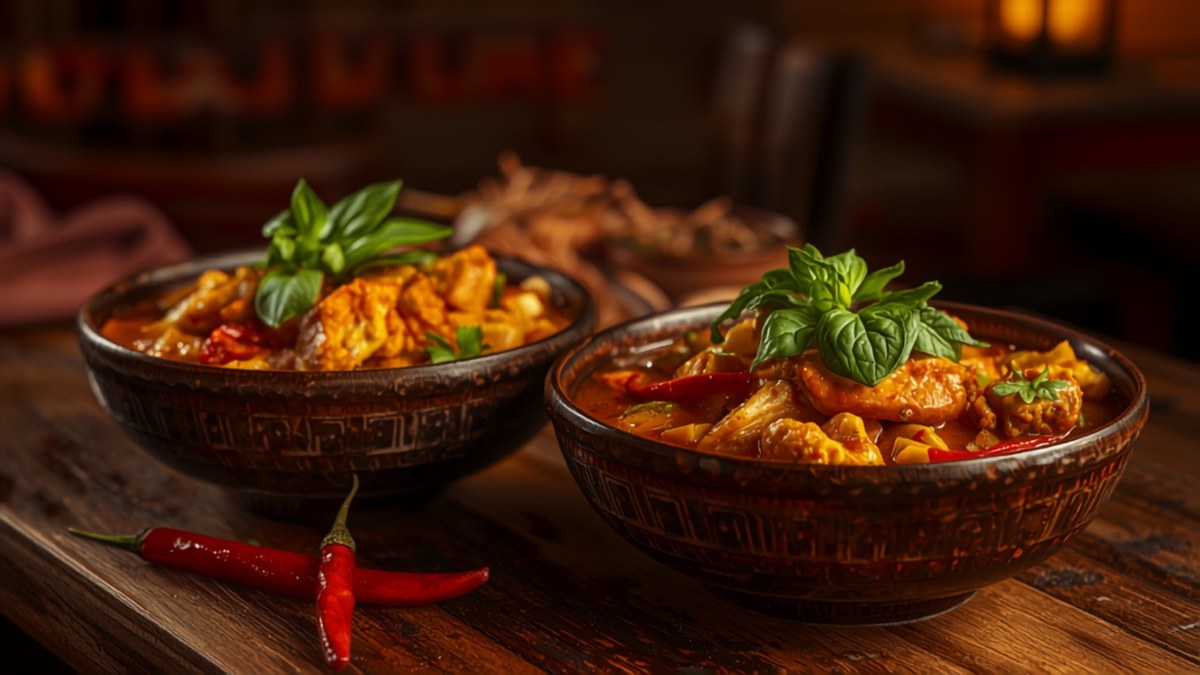
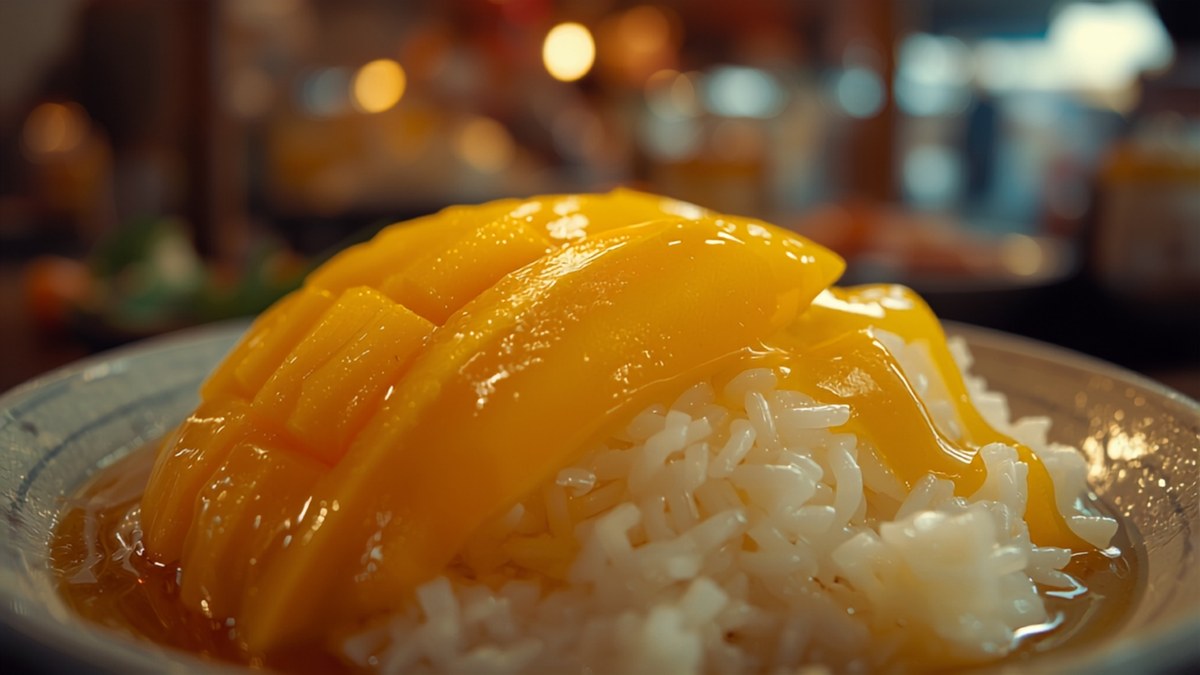
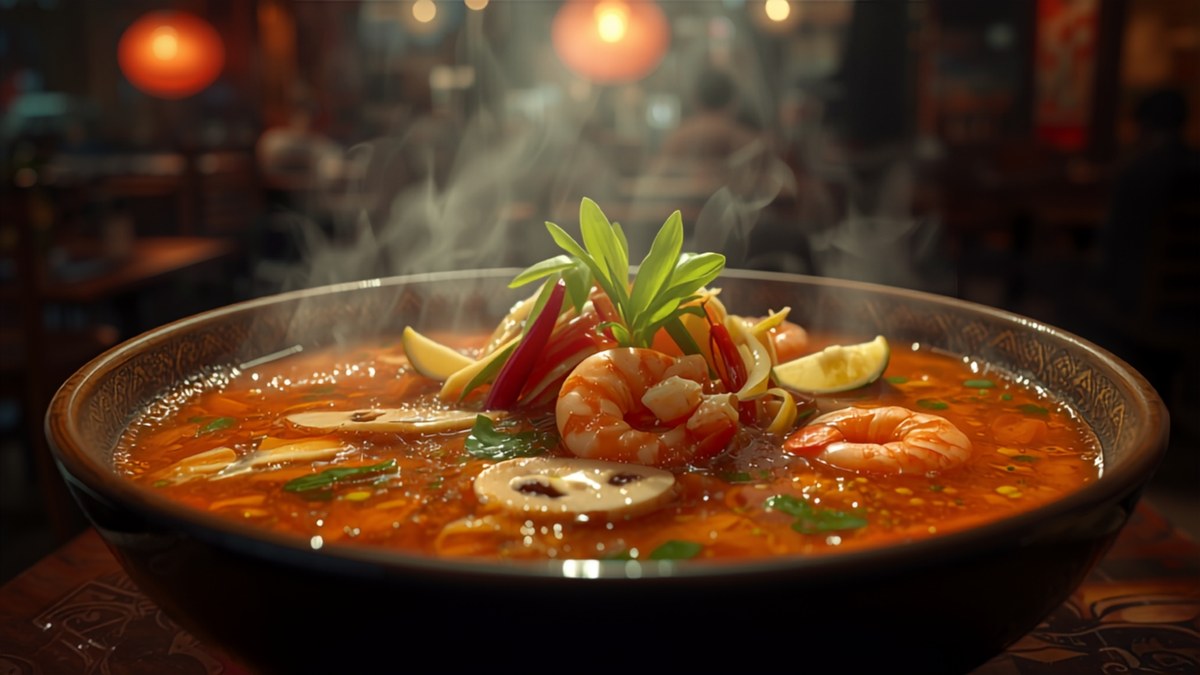
Mango sticky rice is the standout (naturally vegan, no pork, no fish sauce). Tom yum is usually pork-free and alcohol-free, with fish sauce and shrimp the only flags. Most curries and stir-fries depend on the paste and the kitchen, so ask.
Which Thai dish should I be most careful with?
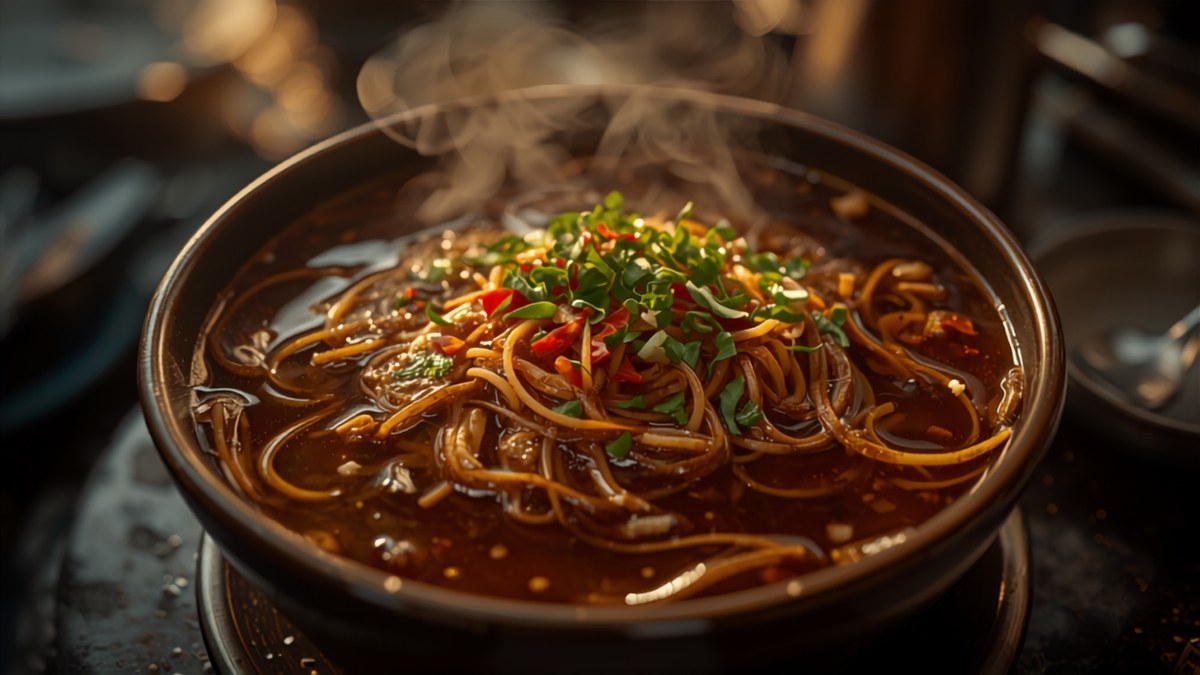
Boat noodles: the traditional broth is thickened with pig or cow blood and built on pork or beef offal, so the standard version is not halal, and asking for "no blood" does not change the meat base.
Is fish sauce halal?
Most scholars consider it permissible, since fish is halal and the trace fermentation alcohol is not intoxicating, and authorities like JAKIM and MUI certify traditional fish sauce. Some Muslims still prefer to avoid it, which is why we show you how to order dishes without it.
Does Bangkok have halal restaurants with certification?
Yes. Look for the green CICOT diamond mark at the entrance or on the stall. Muslim neighborhoods like Bang Rak and Ramkhamhaeng concentrate both certified spots and Muslim-run kitchens.